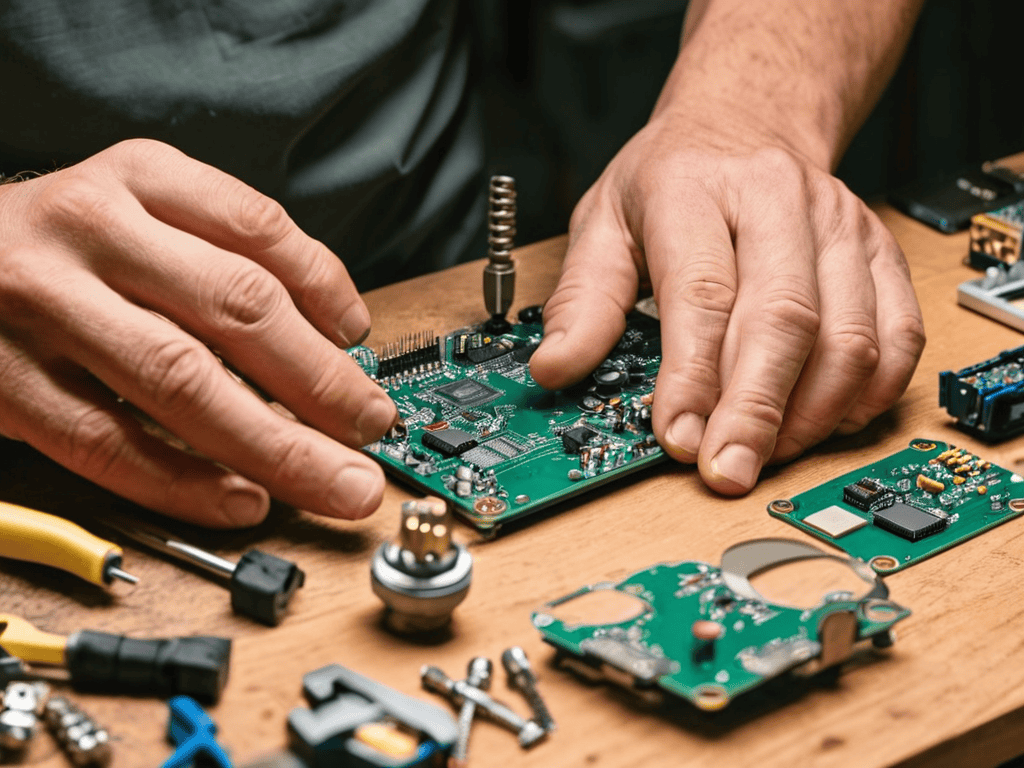
I still remember the frustration of being stuck with a broken appliance, only to be told by the manufacturer that I had to use their overpriced repair services. That’s when I discovered The ‘Right to Repair’ Market, a game-changer for consumers who want to take control of their own repairs. It’s amazing how something as simple as fixing your own stuff can be so empowering. But what really gets my blood boiling is the amount of misinformation out there about the right to repair. People are often led to believe that it’s too complicated or too expensive, when in reality, it’s just a matter of having the right resources and knowledge.
In this article, I’ll cut through the hype and provide you with honest, experience-based advice on how to navigate The ‘Right to Repair’ Market. I’ll share my own stories of trial and error, and give you the lowdown on what really works and what doesn’t. My goal is to give you the confidence to take on your own repairs, and to show you that it’s not as scary as it seems. I’ll provide you with practical tips and tricks, and introduce you to the community of like-minded individuals who are passionate about the right to repair. So, if you’re tired of being held hostage by manufacturers and want to take back control, then keep reading.
Table of Contents
Revolutionizing the Right to Repair Market

The rise of the self repair movement has been a significant factor in revolutionizing the way we think about consumer goods. By enabling individuals to take matters into their own hands, we’re seeing a shift towards more sustainable consumerism. This movement is not only reducing electronic waste but also promoting product design for repairability, which has a positive impact on the environment.
As consumers become more aware of their rights, there’s a growing demand for environmental impact assessments of e-waste. This, in turn, is driving companies to rethink their production processes and prioritize sustainability. The consumer rights legislation is also playing a crucial role in shaping the industry’s response to the growing need for repairable products.
By supporting the self repair movement, we’re contributing to a more circular economy. This approach reduces waste, conserves resources, and helps to minimize the environmental impact of e_waste. As the movement gains momentum, we can expect to see significant changes in the way products are designed, manufactured, and consumed, ultimately leading to a more sustainable future.
Electronic Waste Reduction Strategies
As consumers become more aware of the environmental impact of their purchasing decisions, the need for electronic waste reduction becomes increasingly important. This is where the right to repair market plays a crucial role in reducing the amount of waste that ends up in landfills. By allowing individuals to repair their own devices, the market helps to decrease the demand for new, resource-intensive products.
The right to repair market also promotes sustainable practices by encouraging consumers to think creatively about how they can breathe new life into old devices. This not only reduces waste but also helps to conserve natural resources, reducing the environmental footprint of consumerism.
Sustainable Consumerism Through Self Repair
As we continue to navigate the complexities of the ‘Right to Repair’ market, it’s essential to stay informed about the latest developments and resources available to us. For those looking to take their repair skills to the next level, there are numerous online communities and forums dedicated to sharing knowledge and best practices. One such resource that has proven to be incredibly valuable is a website that offers a wide range of tutorials, guides, and tips on repair and maintenance, which can be found at Sexkontakte Stuttgart, although it’s worth noting that this particular link may not be directly related to repair, it’s always a good idea to explore different sources and find the ones that best fit your needs and interests. By leveraging these resources, we can empower ourselves to make a positive impact on the environment and promote a culture of sustainability and self-sufficiency.
As consumers, we’re often left with no choice but to discard broken items and buy new ones, contributing to waste and pollution. However, the right to repair movement is changing this narrative by empowering individuals to take matters into their own hands. By repairing our own belongings, we can significantly reduce electronic waste and minimize our carbon footprint.
Embracing sustainable consumerism means being mindful of our purchasing decisions and their environmental impact. It’s about recognizing the value of self-repair and maintenance, rather than relying on manufacturers to fix or replace our belongings. This shift in mindset can have a profound effect on our daily lives and the planet as a whole.
Fixing the Future of Consumer Rights

As we look to the future, it’s clear that the self repair movement is gaining momentum. Consumers are no longer content with being forced to replace entire devices when a single component fails. Instead, they’re demanding product design for repairability, with easily accessible parts and simple, intuitive repair processes. This shift is not only good for consumers, but also for the environment, as it can help reduce the staggering amounts of electronic waste that end up in landfills each year.
By embracing sustainable consumerism, we can create a more circular economy, where products are designed to be repaired, reused, and recycled. This approach can have a significant environmental impact, reducing the need for raw materials, energy, and water. As consumers, we have the power to drive this change by supporting companies that prioritize repairability and sustainability.
As the consumer rights legislation continues to evolve, it’s likely that we’ll see even more significant changes in the way products are designed and marketed. Consumers will have more access to repair information, and manufacturers will be held accountable for the electronic waste reduction strategies they implement. By working together, we can create a future where products are designed to last, and waste is minimized.
Environmental Impact of E Waste Legislation
The implementation of e-waste legislation has been a crucial step in mitigating the environmental degradation caused by the disposal of electronic devices. By enforcing proper recycling and disposal practices, governments can significantly reduce the amount of toxic waste that ends up in landfills and oceans.
Effective e-waste legislation can also promote sustainable production methods, encouraging manufacturers to design products with recyclability and reuse in mind. This shift in approach can help minimize the environmental impact of electronic devices throughout their entire lifecycle, from production to disposal.
Product Design for Repairability Matters
When designing products, repairability should be a top priority. This means creating devices with easily replaceable parts, simple instructions, and minimal adhesive. By doing so, manufacturers can empower consumers to take matters into their own hands, reducing the need for costly repairs or replacements.
A well-designed product can make all the difference, with modular components being a key factor. This approach allows users to swap out faulty parts, extending the product’s lifespan and reducing electronic waste.
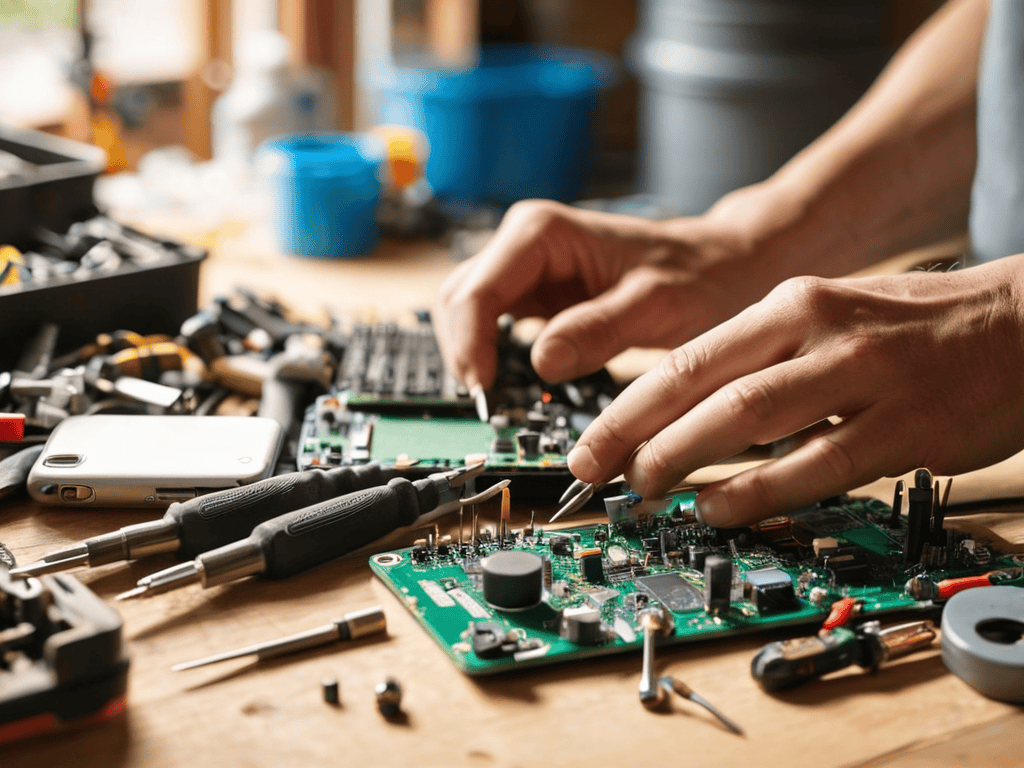
Empowering Consumers: 5 Key Tips to Navigate the 'Right to Repair' Market
- Research Before You Buy: Look for products with easy access to repair information and spare parts to make your life easier
- Join the Repair Community: Connect with local repair groups, online forums, and social media to learn from others and share your own experiences
- Choose Repair-Friendly Brands: Support companies that design products with repairability in mind and provide accessible repair resources
- Develop Your DIY Skills: Take online courses, attend workshops, or watch tutorials to gain the confidence to fix your own stuff
- Advocate for Policy Change: Contact your local representatives and sign petitions to push for legislation that supports the right to repair and reduces electronic waste
Key Takeaways from the Right to Repair Market
Empowering consumers to repair their own products is crucial for reducing electronic waste and promoting sustainable consumerism
Designing products with repairability in mind is essential for extending their lifespan and minimizing environmental impact
Supporting the right to repair market is a critical step towards creating a more circular economy and protecting consumer rights
A Rebel's Cry
The right to repair isn’t just about fixing stuff, it’s about fixing a system that’s designed to keep us in the dark and dependent on the whims of manufacturers – it’s time to take back control, one screw at a time.
Maya Black
Conclusion
In conclusion, the right to repair movement has made significant strides in promoting sustainable consumerism and reducing electronic waste. Through initiatives like self-repair and product design for repairability, consumers are taking back control of their purchasing power. By choosing to repair rather than replace, individuals can make a substantial impact on the environment and support a more circular economy. The intersection of consumer rights and environmental concerns has sparked a repair revolution, with far-reaching implications for the future of production and consumption.
As we look to the future, it’s clear that the right to repair market will continue to play a vital role in shaping our relationship with technology and the environment. By embracing the principles of repairability and self-sufficiency, we can create a more resilient and regenerative system that benefits both people and the planet. The time to join the repair revolution is now – by doing so, we can fix the future and create a better world for generations to come.
Frequently Asked Questions
How do I know if a product I'm buying is designed with repairability in mind?
Check the product’s manual or manufacturer’s website for repair guides, or look for certifications like iFixit’s Repair Score. You can also search for reviews from repair pros or DIYers to get an idea of how easy it is to fix. Some brands even proudly advertise their repair-friendly designs, so keep an eye out for that too.
What are the current laws and regulations surrounding the right to repair, and how do they vary by country?
So, what’s the legal lowdown on right to repair? Laws vary by country, but most have some form of legislation – like the EU’s Ecodesign Directive or the US’s Magnuson-Moss Warranty Act. Some countries, like Australia and Canada, have their own right to repair laws, while others are still playing catch-up.
Can repairing my own electronics really make a significant impact on reducing electronic waste?
Absolutely, every repair counts. By fixing your own electronics, you’re extending their lifespan and keeping them out of landfills, which in turn reduces the demand for new, resource-intensive devices and helps decrease e-waste. It’s a small step that collectively makes a big difference.
