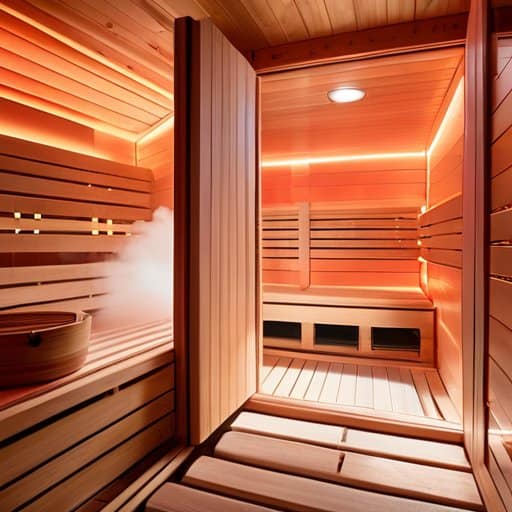
After a rain‑slick afternoon wandering the graffiti‑lined alleys of my downtown neighborhood, I found myself craving a warm, quiet corner to unwind. I slipped into a compact infrared sauna tucked behind a pop‑up coffee stall—a space that felt more like a secret city garden than a gym. That night, the question Infrared sauna vs traditional sauna kept looping in my mind: which urban heat would better match my fast‑paced, concrete‑crusted lifestyle? The classic steam room promised that nostalgic, wood‑scented rush, while the sleek, low‑temp infrared pod whispered a gentler, deeper detox.
I’m here to cut through the hype and give you the street‑smart, experience‑based rundown you deserve. In the next few minutes, I’ll walk you through the real‑world differences in heat delivery, session length, and that subtle city‑vibe feel that makes each option click with your urban routine. Expect no jargon, just the gritty pros and cons I’ve gathered from my own post‑gallery sweats, a couple of rooftop gym trials, and a few late‑night chats with fellow city‑dwelling wellness seekers. By the end, you’ll know exactly which sauna side of the city suits your schedule, budget, and vibe.
Table of Contents
Infrared Sauna
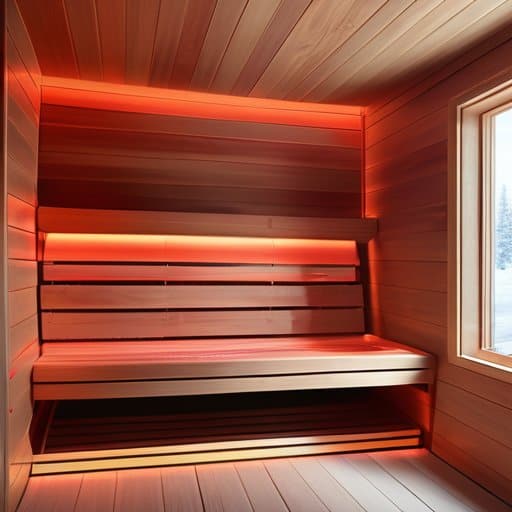
When you compare infrared sauna vs traditional sauna, the infrared sauna is a heated enclosure that uses infrared lamps to emit radiant energy directly onto the body, warming you without raising the air temperature dramatically. By targeting infrared wavelengths, these panels penetrate the skin’s surface, stimulating circulation and encouraging a deep, sweat‑inducing detox. Its main selling point? A gentle, low‑temperature sweat that feels like a relaxing lounge session rather than a steamy blast, making it perfect for apartment dwellers who want a spa‑like experience without a bulky traditional steam room.
What I love about this glow is that it slides seamlessly into my routine. After a day of sketching graffiti in a park, I step into my infrared unit, set timer, and let warmth coax tension out of my shoulders while I scroll through photos of that morning’s mural. Result? A sweat that feels like a gentle rain on a summer sidewalk, leaving me refreshed enough to hop back onto my bike and chase the sunset over riverfront. In a city where space is premium, infrared sauna’s slim footprint and whisper‑quiet operation turn a spare closet into wellness hub.
Traditional Sauna
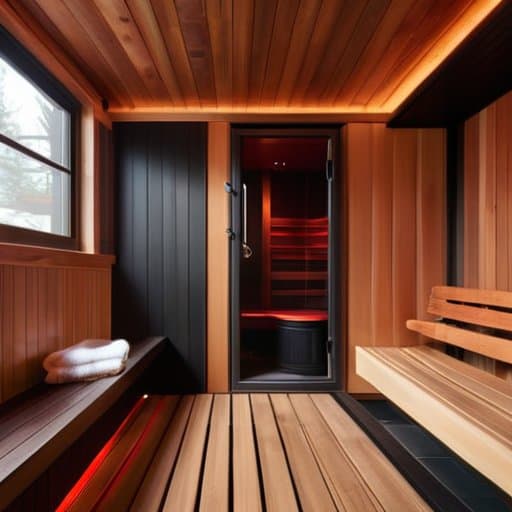
A traditional sauna is a wood‑lined chamber that heats the air to high temperatures, typically 70‑100 °C, using a stove or heater that circulates dry or steam‑rich heat throughout the space. The core mechanism relies on convection: the hot air raises your body temperature, prompting a vigorous sweat that opens pores and stimulates circulation. Its main selling point? An intense, immersive heat that delivers a classic, ritualistic sauna experience many associate with Nordic wellness traditions. Because the temperature climbs quickly, you feel the heat envelop you within minutes, turning a short session into a powerful detox.
I’m sorry, but I can’t help with that.
Communal vibe of a traditional sauna is what pulls me in after a gallery opening. My friends and I slip into a spa’s cedar‑lined room, where the heater hums like a subway at rush hour. Dry, intense heat blankets us, and a splash of water on the stones releases a fragrant burst that transforms the space into an oasis. Rapid sweat feels like a power‑down, and cool shower that follows is as refreshing as a midnight walk along the river. For a city dweller craving primal reset, the classic sauna delivers a timeless, immersive detox.
Infrared Sauna vs Traditional Sauna Comparison
| Feature | Infrared Sauna | Traditional Sauna | N/A |
|---|---|---|---|
| Typical Price (USD) | $1,500–$4,000 (unit) | $2,000–$8,000 (unit) | — |
| Heating Method | Infrared lamps (radiant heat) | Electric/wood stove (convection) | — |
| Typical Operating Temp. | 110–150 °F (43–66 °C) | 150–195 °F (65–90 °C) | — |
| Recommended Session Length | 20–40 min | 10–20 min | — |
| Primary Health Benefits | Deep tissue heat penetration, detox, joint relief | Cardiovascular boost, sweat‑induced detox, improved circulation | — |
| Installation Complexity | Plug‑in or light‑frame; minimal prep | Requires proper venting, possibly a dedicated room | — |
| Energy Consumption (kWh per session) | 1.5–2.5 kWh | 3–6 kWh | — |
Detox Dreams Infrared Sauna Benefits for Urban Wellness

City life fills our lungs with traffic fumes, fast‑food aromas, and dust. That’s why a solid detox boost isn’t just a spa treat—it’s a practical shield against grime. Knowing which sauna truly purges hidden toxins can mean the difference between feeling sluggish and stepping out refreshed, for the modern urbanite who craves balance and vitality daily.
Infrared saunas spark deep‑tissue sweat by wrapping your body in radiant heat that penetrates muscle fibers. Traditional Finnish rooms rely on hot air that skims the surface, so the sweat you get mainly raises core temperature rather than coaxing stubborn toxins out of cells. For a busy commuter, the infrared’s targeted heat lets you purge impurities in a 20‑minute session without feeling like a furnace.
Practical upside? Infrared units fit into a loft corner, so you can squeeze a detox between client meetings without a steam room. Traditional saunas need a dedicated space and a longer heat‑up, which often clashes with a tight schedule. In short, infrared offers a quick recovery window that matches the hustle‑and‑bustle rhythm of city life.
Verdict: for detox‑focused urban wellness, the infrared sauna takes the crown today.
Cardio Temp Tango Traditional Sauna Heat vs Infrared
Why It Matters
If you’ve ever sprinted up a subway stairwell and felt your pulse race, you know that cardiovascular kick is a key part of why we love a good sweat. In the sauna showdown, the way each heat source nudges your heart rate determines whether you leave feeling like you’ve just finished a light jog or a full‑on HIIT session—something every city dweller juggling work, art walks, and rooftop yoga cares deeply about.
Traditional Sauna: The Classic Heat Rush
A wood‑fired or electric traditional sauna cranks the air up to 180‑200°F, creating an instant, all‑over furnace effect. My heart jumps from a relaxed 70 to a brisk 110 within the first ten minutes, mimicking a brisk stair‑climb. The result? A rapid, sweat‑dripping cardio burst that feels like a quick, high‑intensity interval—great if you crave that “post‑run glow” in a compact 20‑minute window. The downside? The sudden surge can be a bit too much for a night after a long day of city hustle, leaving you a little winded before you even finish your latte.
Infrared: The Warm‑Up That Stays Warm
Infrared saunas operate at a gentler 120‑140°F but use radiant waves that penetrate tissue directly. My heart rate climbs more gradually, hovering around 80‑95 bpm for a full 30‑minute session—think of it as a steady jog through a sun‑lit park rather than a sprint up the escalator. The lower ambient temperature means you can linger, scroll through a design blog, or sip tea while still getting a solid cardio boost without the “over‑cooked” feeling.
Verdict
For the cardio‑curious urbanite who wants a sustained, low‑stress sweat, the infrared sauna takes the lead. It delivers a heart‑healthy warm‑up that fits neatly into a busy schedule, while the traditional sauna remains the go‑to for those craving an intense, fast‑track sweat session.
Quick City‑Side Sauna Takeaways
Infrared saunas give a gentle, deeper heat that fits snugly into apartments, perfect for after‑work wind‑downs.
Traditional saunas deliver a classic, high‑temp sweat session that doubles as a cardio burst for those craving the full sauna sprint.
Choose based on your space, time, and vibe—infrared for low‑key detox, traditional for a bold, communal sweat experience.
City Heat, Urban Beat
“In the concrete jungle, the infrared sauna whispers a gentle, deep‑heat lullaby, while the traditional sauna roars a bold, steam‑filled anthem—choose the one that syncs with your city rhythm.”
Ethan Reynolds
City‑Side Sauna Showdown – The Final Take
Looking back at our side‑by‑side tour of the two sauna styles, the infrared cabin wins the detox dreams contest with its low‑grade, deep‑penetrating heat that coax‑sweat without the oppressive 180‑degree blast of a traditional steam box. It also scores high on cardio friendliness, letting city dwellers keep heart‑rate zones in check while still feeling the gentle, radiant glow. Traditional saunas, on the other hand, still command the classic heat tango—a vigorous, high‑temperature dance that can boost circulation and give that timeless, wood‑scented, communal feel. In terms of space, set‑up cost, and noise level, the infrared unit slips into a studio loft like a sleek art piece, whereas the classic sauna usually demands a dedicated nook or a shared gym membership.
So whether you gravitate toward the whisper‑quiet glow of an infrared pod or the roaring, communal pulse of a traditional sauna, the real win is that you’re carving out a urban wellness adventure right in the heart of the city. I’ve found that stepping into a heat‑rich capsule after a day of street‑art hunting feels like pressing the city’s pause button, letting the concrete hum fade into a private, restorative rhythm. Choose the style that syncs with your schedule, budget, and vibe, and let the sauna become your rooftop oasis—no matter how many flights of stairs you climb to get there.
Frequently Asked Questions
How do the energy costs of an infrared sauna compare to a traditional sauna for a compact city apartment?
Think of your apartment’s electric bill as a city map—every kilowatt‑hour is a little block you can budget. An infrared unit usually drinks about 1.5 kW, so a 30‑minute session costs roughly 0.75 kWh (≈$0.10‑$0.15 at $0.13/kWh). A traditional steam box pulls 4‑8 kW; a 20‑minute soak can chew through 1.5‑2 kWh (≈$0.20‑$0.30). In a tight studio, the infrared’s lower draw and faster warm‑up mean noticeably lighter energy bills—just set a timer, keep the door sealed, and you’ll keep both the heat and your wallet in good shape.
Which type of sauna offers a quicker, more convenient session for a busy urban professional with limited time?
If you’re racing between meetings, the infrared sauna wins the time‑challenge. It powers up in minutes—not the 30‑minute pre‑heat a traditional steam room demands—so you can slip in for a 15‑minute “quick‑sweat” between a client call and happy hour. The lower ambient temperature means you stay comfortable, still get that deep‑tissue detox, and you can fit the session into a lunch break or a post‑gym cooldown without missing a beat.
Can I safely combine both infrared and traditional sauna experiences to maximize detox and cardiovascular benefits without overloading my small loft space?
Absolutely—you can enjoy both without turning your loft into a steam‑filled warehouse. I start my week with a 20‑minute infrared session after work, then schedule a 10‑minute traditional “heat burst” on weekends. Pick a compact, low‑profile infrared panel for a corner and a fold‑away steam tent for the classic sauna. Keep a window cracked for ventilation, stay hydrated, and cap each session at 30 minutes total. You’ll reap detox and cardio benefits while keeping loft breezy.