I once found myself staring at a blank sheet of paper, pen in hand, grappling with the absurdity of my own mortality. You see, the idea of writing a will feels like inviting the grim reaper over for tea—awkward and a bit premature. But there I was, contemplating who would inherit my collection of vintage vinyls and that questionable portrait of dogs playing poker. It hit me then: this isn’t just about me—it’s about the stories that those who come after me will tell. Stories that could either end with a heartfelt toast or a family feud over Aunt Edna’s crocheted cat collection.
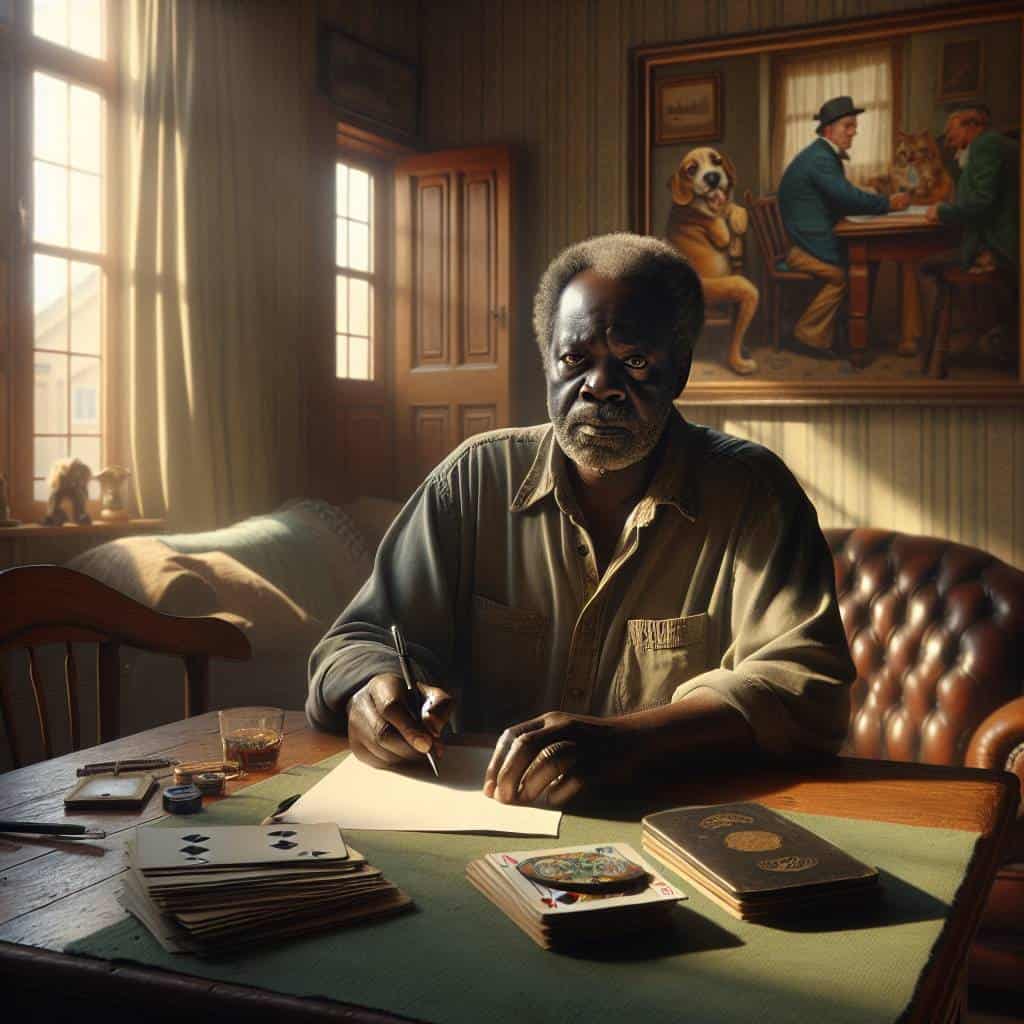
Now that I’ve dragged you into this existential spiral, let’s get down to brass tacks. This isn’t just about the cold, hard logistics of who gets what. It’s about crafting a legacy that echoes beyond dusty legal documents. We’re diving into the gritty, unvarnished world of estate planning—where protection meets pragmatism and family ties are tested. So grab a coffee, or something stronger, because we’re about to unravel the messy, beautiful tapestry of life, death, and everything in between.
Table of Contents
When Estate Planning Feels Like Writing Your Own Eulogy
Picture this: you’re hunched over a desk, pen poised, feeling like you’re about to script your own swan song. The task? Estate planning. It’s that peculiar experience where you’re simultaneously the author and the subject of a narrative that’s all about life’s finale. And let’s face it—acknowledging our own mortality is about as fun as a root canal. But estate planning isn’t just about the morbid details; it’s about crafting a legacy, ensuring the things that matter to you are protected and passed on. It’s like being the architect of your own myth, deciding who gets the keys to the kingdom—or at least, the family photo albums and that vintage vinyl collection.
Now, let’s talk about those pesky details. Writing a will can often feel like you’re drafting a script for a drama you won’t get to see. But here’s the secret sauce: it’s not just a list of who gets what. It’s the ultimate love letter to your family, a blueprint that shields them from chaos when you’re not around to play referee. You’re not just distributing assets; you’re safeguarding futures, and that’s a powerful thing. Yes, it’s a stark confrontation with the inevitable, but it’s also an act of protection and love. So, grab that pen and start writing—not an ending, but a beginning for those you leave behind.
The Last Word on Your Legacy
Crafting a will isn’t just about divvying up your stuff; it’s the final love letter to your family, ensuring your story ends with a period, not a question mark.
The Art of Leaving: A Final Brushstroke
So here I stand, amidst the swirling cacophony of life, clutching a pen like a painter’s brush. Writing a will is an act of defiance, a rebellious stroke against the canvas of uncertainty. It’s not about hoarding wealth or orchestrating some grand posthumous stage play. No, it’s about the love letters you leave behind, hidden in the folds of legal jargon. It’s about laying your soul bare, hoping that those who read it understand the melody beneath the words.
But let’s be real—no one relishes the thought of their own demise. It’s a silent symphony that plays in the background of our bustling lives. Yet, in crafting this document, I found a strange solace. A comforting notion that, despite the chaos of the city streets and the relentless march of time, I’ve managed to carve out a sanctuary for those I hold dear. It’s a legacy not measured in dollars and cents, but in the stories that will be told around the dinner table long after I’m gone. And maybe, just maybe, that’s the real masterpiece.
