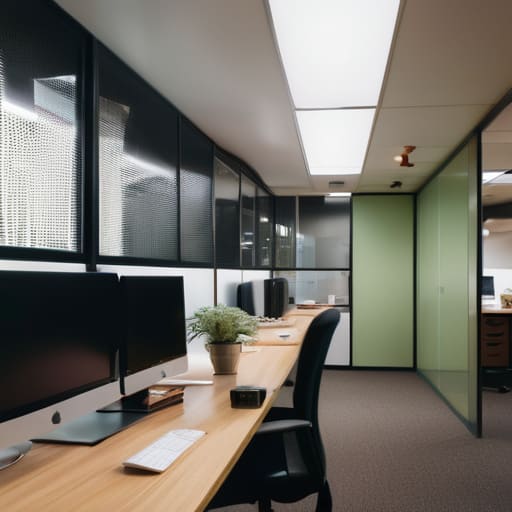
I still remember sitting in a glass-walled conference room in Palo Alto, the air conditioning humming a sterile tune while I stared at a lukewarm espresso. My eyes were blurring from a twelve-hour stretch of back-to-back meetings, and all I could think about was the sheer exhaustion of performing “presence” just to prove I was working. We’ve been sold this massive lie that being physically tethered to a desk is the only way to drive innovation, but when you actually weigh the benefits of remote work versus office environments, the reality is far more nuanced than a CEO’s LinkedIn post suggests.
I’m not here to give you a sanitized HR manual or a list of generic pros and cons you could find in a Google search. I want to give you the tactical blueprint for navigating this shift so you can own your schedule without stalling your trajectory. We’re going to strip away the corporate fluff and look at how you can leverage both setups to build a career that actually fuels your life, rather than just consuming it.
Decoding Remote Work Productivity vs Office Chaos

Beyond the logistical wins, I’ve found that the real challenge of remote work is maintaining a sense of connection when your world starts to feel a bit too small. When you aren’t bumping into colleagues in the breakroom, you have to be intentional about seeking out social stimulation to prevent that professional isolation from creeping in. Whether it’s joining a local hobby group or exploring new social scenes through dartmouth hookups, finding ways to engage with the world outside your laptop is essential for your mental longevity.
I’ve sat in those glass-walled conference rooms where the “synergy” feels more like a performance than actual progress. We’ve all been there—trapped in a cycle of back-to-back meetings that could have been a three-sentence Slack message, all while the ambient noise of a bustling open floor plan makes deep work feel impossible. When we talk about office collaboration vs remote communication, the reality is often messier than the brochures suggest. In the office, you get the spontaneous spark of an idea over coffee, but you also get the constant, draining interruptions that kill your momentum.
On the flip side, remote work offers a level of autonomy that is hard to replicate in a cubicle. When I’m working from my home setup, I can control my environment, my lighting, and—most importantly—my focus. This shift isn’t just about convenience; it’s a fundamental shift in how we protect our cognitive energy. For many, the real win is the impact on employee mental health remote work provides by eliminating the soul-crushing commute and allowing for a more intentional start to the day. It’s about reclaiming your time so you can actually think instead of just reacting.
The Real Cost Savings of Working From Home

Let’s get real for a second: the math of a daily commute is brutal. When I was running teams in the Valley, I watched brilliant people burn out not because the work was hard, but because they were bleeding time and money before they even sat down at their desks. Between the gas, the overpriced downtown lunches, and the sheer mental tax of sitting in gridlock, the cost savings of working from home aren’t just a perk—they are a massive financial lever for your life.
But it goes deeper than your bank account. It’s about the compounding interest of time. When you reclaim those two hours spent commuting, you aren’t just saving on vehicle maintenance; you’re reinvesting that time into your health, your family, or even just a decent cup of coffee before the madness starts. This shift is a cornerstone of a healthy work-life balance remote vs in-office, allowing you to build a life that feels sustainable rather than just something you endure until Friday night.
Five Tactical Moves to Master Your Environment
- Audit your “Deep Work” windows. If you’re remote, guard your mornings like a hawk; if you’re in the office, find the quietest corner or use noise-canceling headphones to build a digital fortress against the chatter.
- Stop treating your home office like a lounge. If you want to maintain your ambition, you need a physical boundary—a specific desk or even just a specific lamp—that signals to your brain: “The grind starts now.”
- Don’t let “out of sight” become “out of mind.” If you’re remote, you have to over-communicate your wins. In a digital-first world, visibility isn’t about being seen; it’s about being understood.
- Use the office for social capital, not just tasks. If you’re commuting, make sure the trip is worth it by scheduling high-bandwidth meetings or coffee chats that actually build the relationships a Zoom screen can’t touch.
- Design your schedule around your energy, not just your clock. Use the flexibility of remote work to hit your peak productivity hours, whether that’s at 6 AM or 10 PM, rather than forcing yourself into a rigid 9-to-5 mold that drains your soul.
Choosing Your Own Path

At the end of the day, there is no universal “correct” way to work. We’ve looked at the raw productivity gains of a quiet home office and weighed them against the spontaneous, high-octane energy that only a physical headquarters can provide. We’ve dissected the hidden math of commuting costs versus the social capital built over office coffee runs. Whether you find your flow in a dedicated home setup or thrive amidst the controlled chaos of a bustling startup hub, the goal remains the same: finding the environment that allows you to perform at your peak without burning your candle at both ends. It isn’t about which model is superior; it’s about which model aligns with your specific rhythm.
As you move forward, I want you to stop viewing this choice as a compromise and start viewing it as a strategic design choice. Your career is a long-distance ride—much like a grueling cycling trek through the mountains—and you wouldn’t choose a gear that doesn’t suit the terrain. Don’t let a company mandate or a societal expectation dictate your setup. Take ownership of your space, protect your headspace, and build a professional life that serves your mission rather than consuming it. Success isn’t just about the title on your LinkedIn profile; it’s about having the autonomy to thrive on your own terms.
