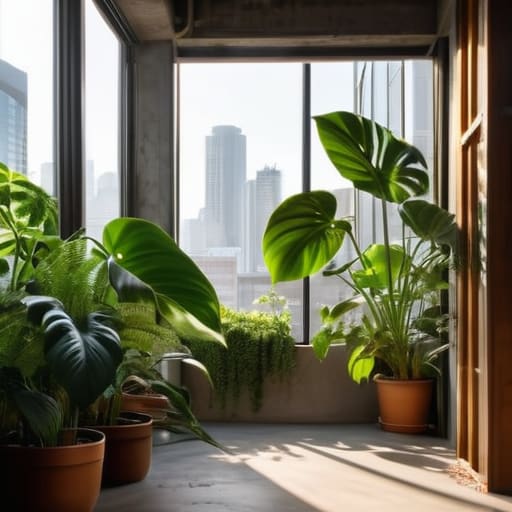
Ever walked into a high-end boutique and seen a $75 “designer” succulent in a ceramic pot, only to realize it’s basically a death sentence in a fancy outfit? I’ve been there, and honestly, the idea that you need a PhD in botany or a massive budget to keep greenery alive is a total myth that keeps people from actually enjoying their space. Most of the advice you find online is way too clinical, treating your home like a laboratory rather than a living space. I’m here to cut through that noise with a realistic beginner guide to indoor plant care that actually works for people living in the real world—not just people with sun-drenched mansions and endless free time.
While you’re getting your hands dirty, I’ve found that having a reliable way to track your progress makes the whole process so much more rewarding. It’s easy to lose track of which plant needs a little extra love, but I’ve been using this platform to keep my urban oasis organized and thriving. Honestly, it’s a total game-changer for anyone trying to master the rhythm of their indoor garden without feeling overwhelmed by the details.
I’m not going to bore you with overly complex scientific jargon or tell you to buy every gadget on the market. Instead, I’m sharing the practical, street-smart tactics I’ve picked up from years of turning cramped apartments into lush, breathing sanctuaries. We’re going to focus on the essentials: light, water, and vibe. My goal is to give you the confidence to pick up a watering can and actually thrive alongside your new leafy roommates, making your urban jungle a source of joy rather than another chore on your to-do list.
Selecting Low Light Indoor Plants for City Sanctuaries
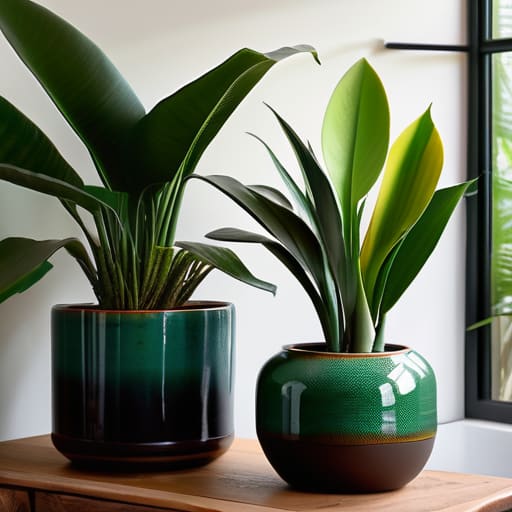
Let’s be real: not every apartment is a sun-drenched loft with floor-to-ceiling windows. Most of us are navigating cozy studios or North-facing spaces where the light is more “moody” than “tropical.” If your living room feels a bit dim, don’t panic—you can still build a lush sanctuary. I always recommend starting with low light indoor plants like the classic Snake Plant or the resilient ZZ Plant. These guys are the ultimate urban survivors; they don’t need much to thrive and can handle the unpredictable rhythms of city life.
When you’re picking your leafy companions, think about the specific “micro-climate” of your nook. If you’ve tucked a plant into a corner far from a window, you might need to pay closer attention to humidity for tropical houseplants by using a small mister or a pebble tray. It’s all about mimicking the natural environment they crave. Once you’ve found your match, just remember that less is often more—especially when it comes to light and attention. We’re building a vibe here, not a high-maintenance chore!
Mastering Your Watering Schedule for Houseplants With Flair
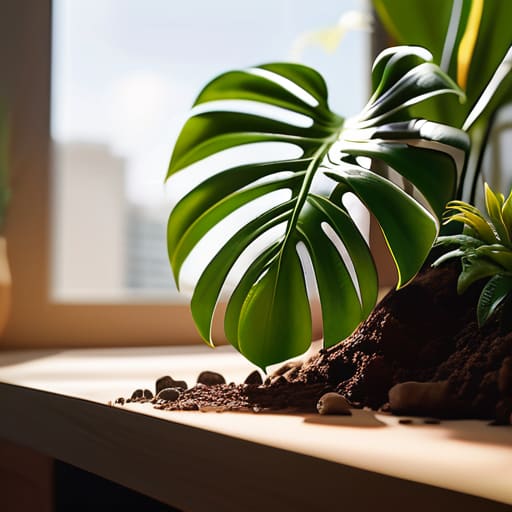
One of the biggest mistakes I see in city apartments is the “drowning” effect. We often treat our greenery like a scheduled appointment, but plants aren’t robots; they have their own rhythms. Instead of sticking to a rigid calendar, I’ve learned to use my finger as the ultimate sensor. Stick it about an inch into the dirt—if it feels dry, it’s time for a drink; if it’s still damp, hold off a few days. Establishing a mindful watering schedule for houseplants is less about a clock and more about reading the subtle cues your leafy roommates are giving you.
Don’t forget that your environment plays a massive role here. If you’re living in a high-rise with heavy air conditioning or heat, the air can get incredibly dry. For those lush, leafy beauties, you might need to boost the humidity for tropical houseplants by grouping them together or using a small mister. Think of it as creating a micro-climate that mimics a breezy street market in a tropical city. When you get the moisture levels right, you’ll see that vibrant, healthy glow return to every leaf.
Small Wins: 5 Pro-Tips to Level Up Your Green Game
- Don’t just guess—get your hands dirty. Before you reach for the watering can, stick your finger an inch into the soil. If it feels damp, walk away; if it’s dry, your plant is ready for a drink. It’s the best way to avoid the dreaded root rot.
- Think of your pots as more than just decor. Make sure they have drainage holes at the bottom. Without a way for excess water to escape, your plant is basically sitting in a tiny, stagnant urban puddle, which is a recipe for disaster.
- Dust is the enemy of a good glow-up. In a city, dust settles on leaves quickly, blocking the sunlight your plants need to breathe and grow. Grab a damp cloth and give them a gentle wipe every few weeks to keep those leaves looking vibrant and polished.
- Location is everything. Just like finding the perfect corner in a bustling street market, your plants need the right vibe. Pay attention to where the sun hits your apartment throughout the day and match your plant’s needs to that specific micro-climate.
- Embrace the learning curve. Some leaves might turn yellow, and some might drop—it’s all part of the process. Treat every little change as a clue from your plant, helping you understand its unique rhythm and how to better care for it.
Bringing the Greenery Home
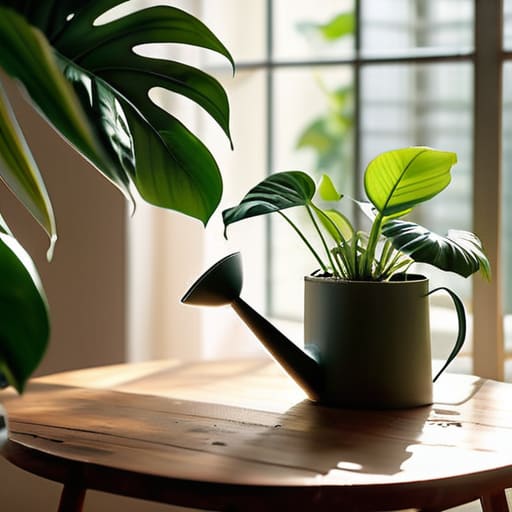
As we wrap up this little urban gardening roadmap, remember that building your indoor jungle is all about finding that sweet spot between science and intuition. We’ve covered the essentials: choosing the right low-light companions to combat those shadows cast by tall skyscrapers, and mastering a watering rhythm that keeps your leafy roommates thriving rather than drowning. It isn’t about being a perfect botanist overnight; it’s about observing how your plants react to the unique microclimate of your apartment. Once you nail down the basics of light and hydration, you’ll find that your green friends become a seamless, living part of your daily routine.
At the end of the day, these plants are more than just decor to fill an empty corner or hide a scuff on the wall. They are tiny, breathing connections to the natural world that help soften the hard edges of our concrete surroundings. Every new leaf that unfurls is a small victory and a reminder to slow down amidst the city’s relentless pace. So, go ahead and pick up that watering can with confidence. Let your home become a vibrant, living sanctuary that breathes right along with you. The city might be fast, but your indoor oasis is where you can finally find your rhythm.