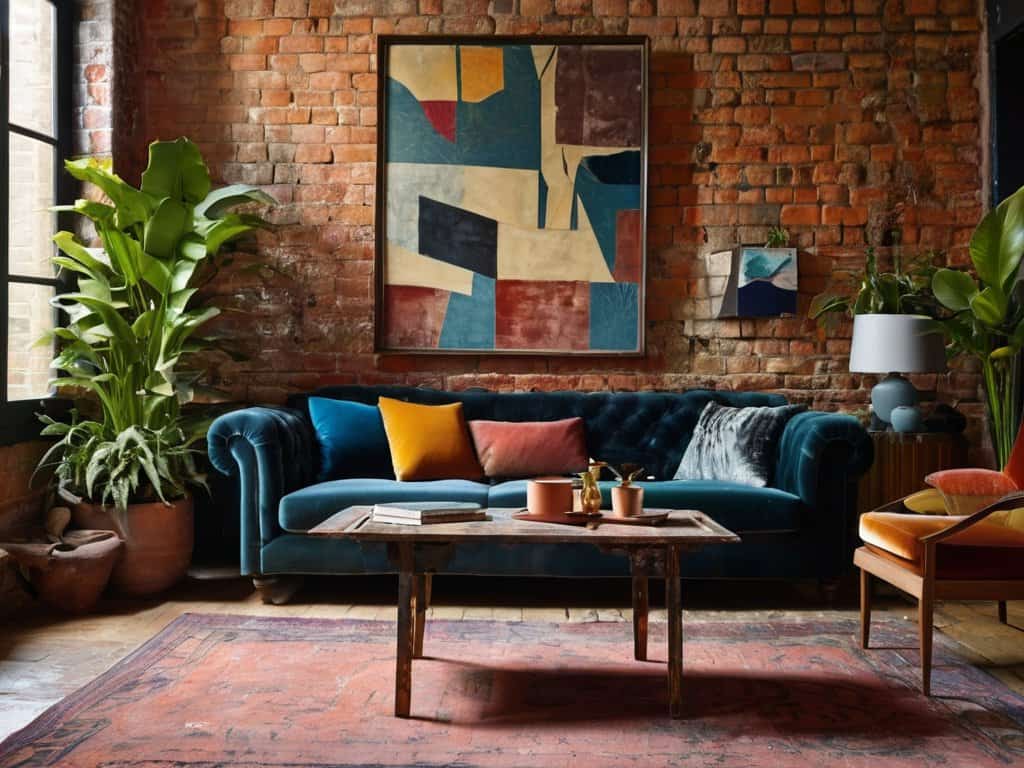
I still remember the first time I stumbled upon the “ugly-chic” design movement – it was like a breath of fresh air in a world where everything was supposed to be sleek and modern. But what really got my attention was how some designers were taking this trend to an extreme, slapping a high price tag on what essentially looked like grandma’s old furniture. It was as if they thought we’d all been waiting for an excuse to bring back the gaudy patterns and clashing colors of the past. I was skeptical at first, but the more I explored this movement, the more I realized that there was something genuinely beautifully hideous about it.
As someone who’s dug deep into the “ugly-chic” design movement, I want to share with you the unvarnished truth about what works and what doesn’t. In this article, I’ll cut through the hype and provide you with practical advice on how to embrace this aesthetic without breaking the bank or sacrificing style. I’ll take you through my own experiences, the lessons I’ve learned, and the common pitfalls to avoid when incorporating ugly-chic elements into your design. My goal is to empower you with the knowledge to make informed decisions and create spaces that are truly unique and reflective of your personality.
Table of Contents
Ugly Chic Design Revolution
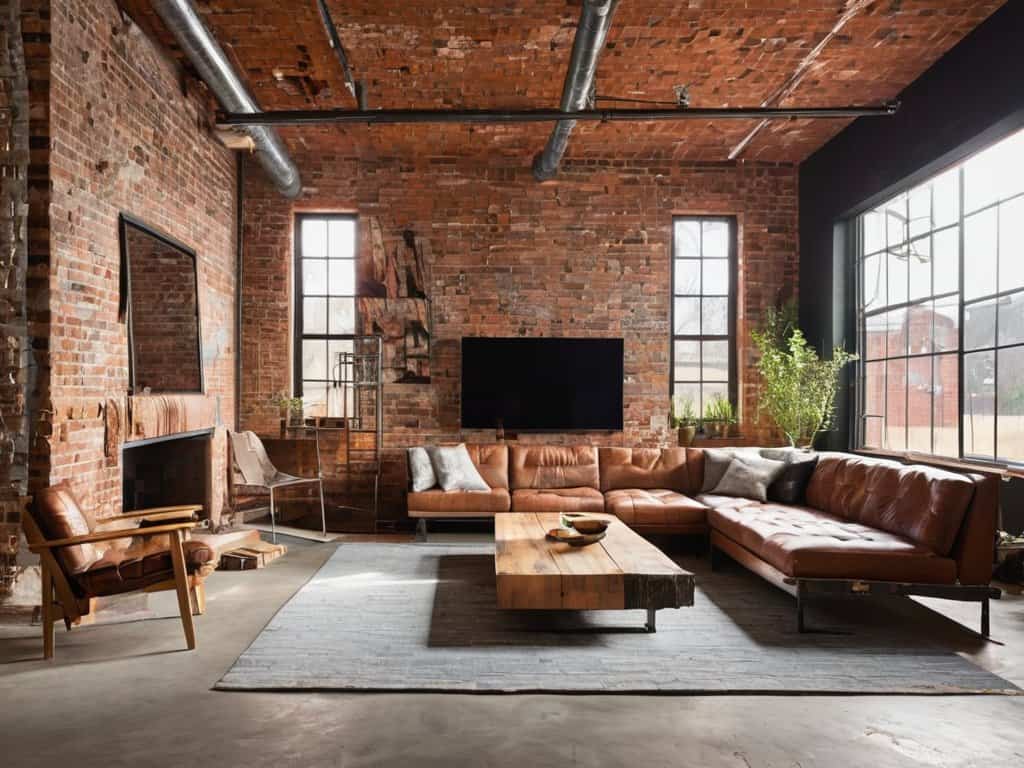
The postmodern design influences are undeniable in the rise of ugly chic design. This style is all about embracing the unconventional and turning traditional notions of beauty on their head. It’s like, who needs perfect lines and symmetry when you can have a beautifully imperfect space that’s full of character? The deconstructivist architecture style has also played a significant role in shaping this aesthetic, with its emphasis on fragmented forms and unconventional materials.
As I delve deeper into the world of ugly chic design, I’m struck by the grunge aesthetic that permeates many of these spaces. It’s all about distressed textures and unfinished edges, which adds a layer of depth and visual interest to a room. The role of irony in design is also crucial here, as it allows us to poke fun at traditional notions of beauty and challenge the status quo. By embracing the ugly and the imperfect, we’re able to create spaces that are truly one-of-a-kind.
For me, the beauty of ugly chic design lies in its ability to challenge traditional beauty standards. It’s no longer about creating a space that’s perfectly polished and put-together, but about celebrating the imperfections that make a space truly unique. By embracing this aesthetic, we’re able to create rooms that are not only visually striking but also deeply personal and reflective of our individuality.
Grunge Aesthetic Challenges Norms
The grunge aesthetic has played a significant role in shaping the ugly-chic design movement. It’s all about distressing the perfect, giving a worn, vintage look to otherwise sleek and modern pieces. This style challenges traditional norms of beauty, where flawless finishes and precise lines were once the epitome of good design.
By embracing imperfection, ugly-chic design is able to create a sense of character and uniqueness that mass-produced, cookie-cutter furniture often lacks.
Postmodern Influences Redefine Beauty
The emergence of ugly-chic design can be attributed to postmodern influences that have led to a shift in our perception of beauty. This movement celebrates the unconventional and the imperfect, making it a refreshing change from the traditional norms of design.
As I delve deeper into the world of ugly-chic design, I’ve found myself drawn to the unconventional and the unapologetically raw aesthetic that it embodies. In my quest for inspiration, I stumbled upon a fascinating online community that celebrates the beauty of imperfection and the liberation of self-expression. For those who, like me, are eager to explore the uncharted territories of ugly-chic design, I highly recommend checking out Sexkontakter, a platform that showcases a wide range of unconventional styles and connects like-minded individuals who share a passion for pushing the boundaries of traditional design.
By embracing asymmetric aesthetics, ugly-chic design challenges our conventional notions of beauty and forces us to rethink what we consider visually appealing.
The Ugly Chic Design Movement
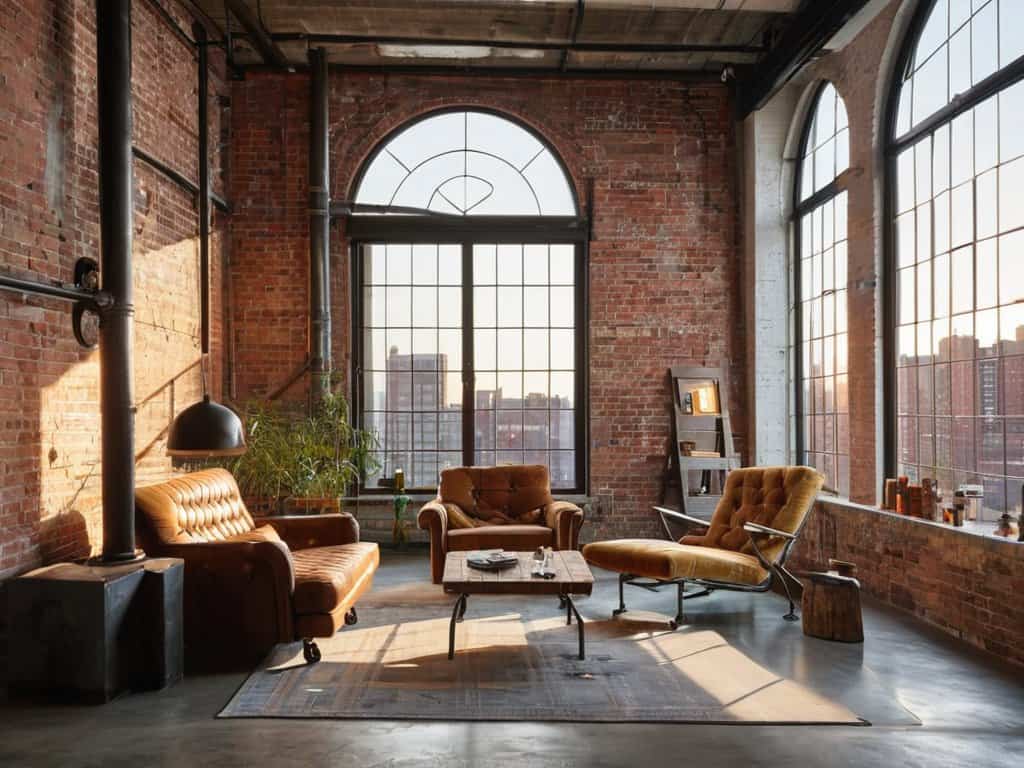
As we delve into the world of postmodern design influences, it’s clear that the lines between beauty and ugliness are becoming increasingly blurred. The incorporation of deconstructivist architecture style elements, such as unconventional shapes and materials, is redefining the way we think about aesthetics. This shift is not limited to architecture alone, as the grunge aesthetic in interior design is also gaining popularity, with its emphasis on raw, unpolished textures and eclectic decor.
The role of irony in design cannot be overstated, as it allows creators to challenge traditional beauty standards and push the boundaries of what is considered “beautiful.” By embracing the imperfect and the unconventional, designers are able to create spaces that are truly unique and thought-provoking. This approach is not about creating something that is intentionally “ugly,” but rather about challenging traditional notions of beauty and exploring new ways of expressing oneself through design.
As we explore this new design landscape, it’s essential to consider the cultural and social context in which it is emerging. The intersection of art and design is becoming increasingly blurred, with many designers drawing inspiration from the art world and incorporating elements of surrealism and abstract expressionism into their work. This fusion of styles and influences is giving rise to a new wave of creative expression, one that is characterized by its willingness to take risks and challenge the status quo.
Challenging Standards With Hideous Beauty
The emergence of ugly-chic design has led to a fascinating phenomenon where beauty is redefined. What was once considered hideous is now being celebrated as a unique form of aesthetic expression. This shift in perception has enabled designers to push boundaries and challenge traditional notions of beauty.
By embracing the imperfectly perfect, ugly-chic design is able to create a sense of intrigue and curiosity. The use of unconventional materials and bold color schemes adds to the charm of this design movement, making it a refreshing change from the usual sleek and modern designs that dominate the industry.
Deconstructivist Style Embraces Irony
The deconstructivist style is a key component of the ugly-chic design movement, and it’s all about challenging traditional notions of beauty and functionality. This style often features unconventional forms, unexpected materials, and a general sense of chaos. By embracing this aesthetic, designers are able to create spaces that are truly unique and thought-provoking.
In deconstructivist design, irony and contradiction are used to create a sense of tension and visual interest. This can be seen in the use of clashing patterns, bold colors, and unconventional textures. The result is a space that is both beautiful and unsettling, a true reflection of the ugly-chic ethos.
5 Ways to Rock the Ugly-Chic Design Movement
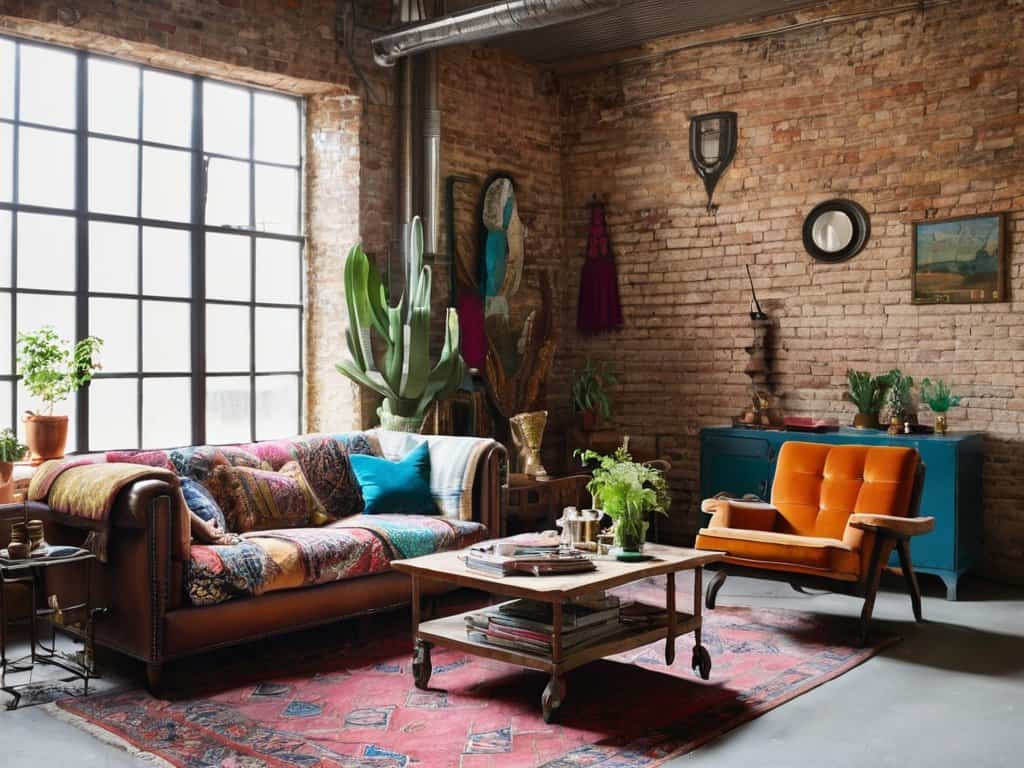
- Embrace the beauty of imperfection by incorporating vintage or thrifted pieces into your space
- Mix and match bold, clashing patterns to create a visually striking atmosphere
- Experiment with unconventional materials, like reclaimed wood or industrial metal, to add an edgy touch
- Don’t be afraid to push boundaries with bold, bright colors that defy traditional design norms
- Balance out your ugly-chic elements with a few sleek, modern pieces to avoid visual overload and create a cohesive look
Key Takeaways from the Ugly-Chic Design Movement
I’ve come to realize that ugly-chic design is all about embracing the unconventional and finding beauty in the imperfect, which is a total game-changer for my own aesthetic
The combination of postmodern influences, grunge aesthetics, and deconstructivist styles has created a unique visual language that’s redefining what we consider ‘beautiful’ – and I’m here for it
By challenging traditional standards of beauty and celebrating the hideous, ugly-chic design encourages us to think outside the box and question our assumptions about taste, style, and creativity – and that’s pretty liberating
Rethinking Beauty
Ugly-chic design is not just about embracing the imperfect, it’s about finding beauty in the boldly awkward and unapologetically hideous – it’s a rebellion against the mundane and a celebration of individuality.
Ava Morales
Conclusion
As we’ve explored the ugly-chic design movement, it’s clear that this trend is more than just a fleeting moment in the design world. From its postmodern influences to its embrace of grunge aesthetics and deconstructivist style, ugly-chic design is redefining what we consider beautiful. By challenging traditional standards of beauty and embracing irony, this movement is giving voice to a new generation of designers and consumers who value individuality and self-expression.
So, what’s the future of ugly-chic design? As we move forward, it’s exciting to think about how this movement will continue to push boundaries and challenge our assumptions about beauty and taste. Perhaps the most inspiring aspect of ugly-chic design is its ability to democratize aesthetics, inviting everyone to participate in the conversation and create their own unique vision of beauty.
Frequently Asked Questions
What inspired designers to embrace the ugly-chic aesthetic and how do they balance functionality with visual appeal?
For me, it’s all about embracing the imperfect. Designers are drawing inspiration from everyday life, like thrift stores and vintage shops, and finding beauty in the unconventional. It’s a delicate balance between form and function, but when done right, ugly-chic can be surprisingly functional and visually stunning.
How does the ugly-chic design movement reflect or challenge societal attitudes towards beauty and taste?
Honestly, ugly-chic design is all about flipping the script on traditional beauty standards – it’s like, who gets to decide what’s beautiful anyway? By embracing the imperfect and the unconventional, it challenges our societal attitudes towards taste, making us question what we consider ‘good’ design and sparking a fresh conversation about aesthetics.
Can ugly-chic design be considered a form of sustainable design, as it often incorporates recycled or repurposed materials and challenges consumerist norms?
Honestly, I think ugly-chic design can be a form of sustainable design, since it’s all about giving new life to old, discarded stuff and rejecting the whole “toss and replace” mentality that’s so harmful to the planet.
