I’ve got this little contraption strapped to my wrist every night, a supposed guardian of my sleep, whispering sweet nothings about REM cycles and heart rates. But let’s be honest—it’s just a glorified bracelet with delusions of grandeur. I mean, really, who’s in charge here? Me or the blinking lights on this so-called health monitor? It’s like inviting a nosy neighbor into your bedroom who insists on critiquing your snoring patterns. And every morning, it has the audacity to present me with a report card of my slumber, as if I needed another reminder that I’m failing at something as fundamental as sleep.
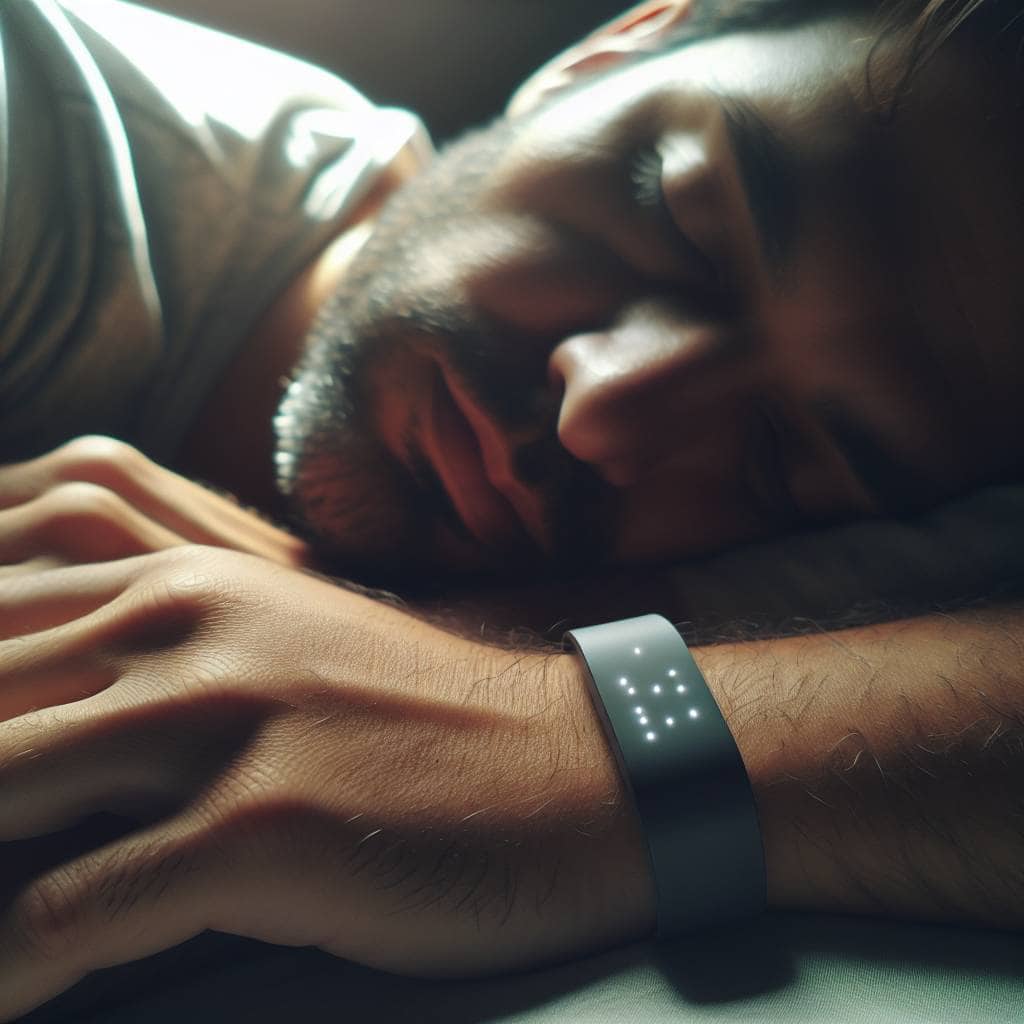
So why do I keep subjecting myself to this nightly critique? Because, beneath the cynicism, there’s a flicker of hope that maybe this time, this gadget will unlock the secrets of my restless nights. In this piece, we’ll dive into the tangled web of sleep technology, exploring the promises it makes and the realities it delivers. We’ll venture into the world of monitoring and health, sifting through the noise to find practical tips for those of us tired of being tired. Together, we’ll navigate the labyrinth of wearables, seeking not just data, but the elusive art of a good night’s rest.
Table of Contents
How I Became a Reluctant Cyborg: Embracing My Nightly Surveillance
It all started innocently enough, like the first sip of coffee on a chilly morning—just a little curiosity, a splash of tech intrigue. But before I knew it, I was a cyborg, shackled to a device that silently tracked my every nocturnal breath. The idea of wearable sleep technology, at first, seemed like a novel way to unlock the mysteries of my restless nights. I imagined it would be like having a personal sleep guru whispering secrets into my ear, unraveling the tangled threads of my insomnia. Little did I know, this nightly surveillance would feel more like a digital babysitter, chirping reminders that even in my dreams, I couldn’t escape the watchful eyes of modernity.
Embracing this nightly surveillance was akin to inviting Big Brother into my bedroom, except this time, he wore a sleek, stylish band. It’s a strange romance, really—me and my sleep tracker. As if I needed another reminder that I’m a cog in the relentless machine of quantified living. But here’s the twist: amidst the data points and heart rate graphs, there’s a kernel of truth whispering its wisdom. The insights I gleaned about my health were revelations wrapped in digital packaging. Slowly, night by night, I began to notice patterns, tiny tweaks to my routine that promised a better night’s sleep. And maybe, just maybe, this reluctant cyborg found a semblance of peace in the rhythmic pulse of technology. A flicker of hope that, even in this brave new world, I could reclaim the sanctuary of my dreams.
The Nocturnal Paradox
In the age of wearable sleep tech, I wonder if we’re really measuring rest or merely documenting our insomnia, one restless beep at a time.
The Night Sky Isn’t the Only Thing Watching
Every night, as I reluctantly strap that silicon band around my wrist, I can’t help but feel like I’m entering an unspoken pact with the cosmos. It’s a dance between me and the blinking lights, a tango of technology and trust. But maybe, just maybe, this constant monitoring is a reminder that I am still alive, still capable of change. Perhaps it’s a nudge to appreciate the cacophony of city life, even if it’s through the lens of a mechanical eye.
And so, I march on, a reluctant cyborg navigating the vibrant tapestry of urban existence. My sleep tracker, while a reminder of our modern-day shackles, also hums a lullaby of potential. It whispers tales of the dreams I could shape and the adventures that await. In this digital age, where every heartbeat is logged and every breath is counted, perhaps the true revolution lies in finding our own rhythm amidst the noise. To embrace the chaos, and to light up the sky with the stories only we can tell.
