
As I wandered through a Russian market, I couldn’t help but feel a sense of wonder at the beautiful Cyrillic letters dancing across the signs and menus. I’ve always been fascinated by the Cyrillic alphabet, and I’ve found that Learning Cyrillic Alphabet can be a game-changer for anyone interested in exploring Eastern European cultures. Despite what many people think, learning Cyrillic is not as daunting as it seems – in fact, it’s a surprisingly accessible skill that can enhance your travels and connections with the people you meet.
In this article, I’ll share my personal approach to Learning Cyrillic Alphabet, focusing on practical tips and tricks that have helped me navigate the streets of Moscow and beyond. You’ll learn how to decipher Cyrillic letters, understand the basics of pronunciation, and even pick up some essential phrases to get you started. My goal is to provide you with honest, no-hype advice that will make your journey to learning Cyrillic a fun and rewarding experience. By the end of this guide, you’ll be well on your way to unlocking the secrets of the Cyrillic script and discovering the rich cultural heritage that lies within.
Table of Contents
Guide Overview: What You'll Need

Total Time: 2 hours 30 minutes
Estimated Cost: $0 – $10
Difficulty Level: Easy
Tools Required
- Computer or Mobile Device (with internet connection)
- Notebook and Pen (for practice)
Supplies & Materials
- Cyrillic Alphabet Chart (printable or digital)
- Language Learning App (optional)
Step-by-Step Instructions
- 1. First, let’s start by immersing ourselves in the Cyrillic alphabet. Begin by finding a Russian or Eastern European market, café, or restaurant in your city, where you can see the Cyrillic script in use. Take note of the signs, menus, and advertisements that feature the alphabet, and try to decipher a few words. This hands-on approach will help you become familiar with the letters and their sounds.
- 2. Next, download a language learning app that includes Cyrillic alphabet lessons, such as Duolingo or Memrise. These apps offer interactive exercises and quizzes to help you learn the alphabet at your own pace. Start with the basics, focusing on the shapes and sounds of each letter, and gradually move on to more complex lessons.
- 3. Now, let’s focus on the fundamentals. The Cyrillic alphabet consists of 33 letters, some of which are similar to those in the Latin alphabet. Begin by learning the letters that are most similar to their Latin counterparts, such as А (A), Б (B), and В (V). Practice writing these letters by hand, paying attention to their correct forms and strokes.
- 4. To improve your reading skills, find online resources that provide Cyrillic texts, such as news articles or blogs. Start with simple texts and gradually move on to more complex ones. Try to read the texts aloud, paying attention to the pronunciation of each word. You can also listen to Russian or Eastern European podcasts or audiobooks to get used to the sound of the language.
- 5. Once you’ve learned the basics, it’s time to practice, practice, practice. Try writing short sentences or phrases in Cyrillic, using the letters you’ve learned. You can start with simple phrases like “Здравствуйте” (Zdravstvuyte), which means “Hello”. Practice writing these phrases by hand, and then try to type them on your computer or phone.
- 6. Another effective way to learn the Cyrillic alphabet is to learn common words and phrases. Start with basic words like “ресторан” (restoran), which means “restaurant”, or “музей” (muzei), which means “museum”. Learn these words and their pronunciation, and try to use them in context. This will help you become more confident in your ability to read and write in Cyrillic.
- 7. Finally, immerse yourself in the culture by watching Russian or Eastern European movies, TV shows, or videos with Cyrillic subtitles. Pay attention to the subtitles and try to read them aloud. You can also try to find language exchange partners or tutors who can help you practice your reading and writing skills in Cyrillic. With consistent practice and exposure, you’ll become proficient in the Cyrillic alphabet in no time.
Learning Cyrillic Alphabet
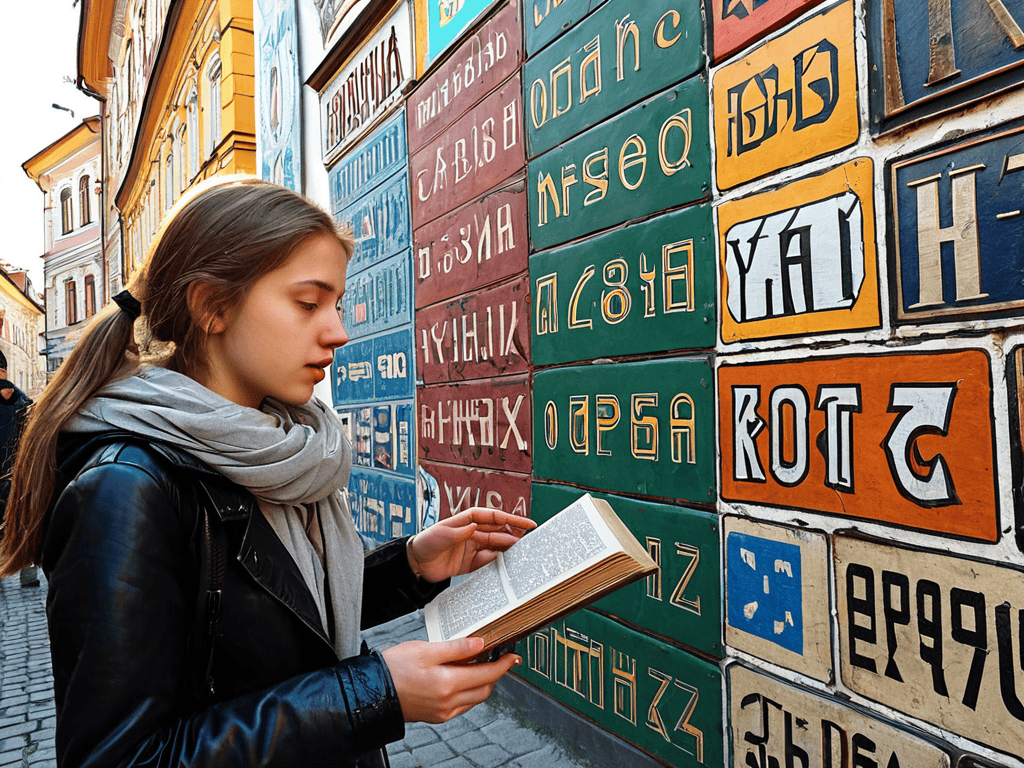
As I wander through the vibrant streets of Eastern European cities, I’m always fascinated by the cyrillic script history that unfolds before my eyes. The Cyrillic alphabet, with its unique letters and pronunciation, is a gateway to understanding the culture and language of this region. To truly immerse yourself in the experience, it’s essential to practice cyrillic alphabet pronunciation, which can be achieved through online resources or language learning apps.
During my travels, I’ve discovered that russian language courses online can be a valuable tool for learners, providing flexibility and convenience. These courses often include interactive lessons, quizzes, and exercises to help you grasp the fundamentals of the Cyrillic alphabet. Additionally, serbian language basics can be explored through language exchange programs or cultural events, where you can engage with native speakers and gain a deeper understanding of the language.
To reinforce your learning, I recommend utilizing language learning apps for cyrillic, which offer a range of interactive features, including cyrillic alphabet practice worksheets. These resources can help you develop muscle memory and improve your recognition of Cyrillic letters. By combining these tools with your travels and cultural experiences, you’ll be well on your way to mastering the Cyrillic alphabet and unlocking the secrets of Eastern Europe’s hidden gems.
Discover Russian Language Courses Online
As I delved deeper into the world of Cyrillic alphabets, I found myself fascinated by the cultural nuances that underpin the language. To further explore this interest, I stumbled upon a wonderful online community that offers a platform for like-minded individuals to connect and share their experiences – it’s amazing how a simple chat can lead to a deeper understanding of the language and its context. For instance, I discovered a great resource where you can seniorenseks chatten and engage with others who share your passion for languages, allowing you to practice your language skills in a relaxed and informal setting, which can be incredibly beneficial for language learners.
As I wandered through the vibrant streets of Moscow, I stumbled upon a quaint little café that offered Russian language courses. It was a treasure trove of linguistic delights, with instructors who were passionate about sharing the nuances of the Cyrillic alphabet. Now, I know what you’re thinking – can’t I just learn online? Absolutely! There are some fantastic Russian language courses available online, covering everything from basic Cyrillic pronunciation to advanced grammar and conversation skills.
I’ve had the chance to explore some of these courses, and I’m excited to share my findings with you. From interactive lessons to immersive cultural experiences, these online courses can be a great way to deepen your understanding of the Russian language and its beautiful alphabet.
Uncover Cyrillic Alphabet Pronunciation Secrets
As I wandered through a Moscow street market, I was captivated by the melodic sound of Cyrillic words being spoken by the vendors. Pronunciation is key to unlocking the secrets of this beautiful alphabet. To master the Cyrillic pronunciation, focus on the sounds that don’t exist in the Latin alphabet, such as the rolling “r” and the sharp “kh” sound. Practice pronouncing words like “Moskva” (Moscow) and “Kiev” to get a feel for the rhythm and intonation.
Listen to native speakers and mimic their pronunciation to develop your ear. You can find numerous resources online, from language learning podcasts to YouTube videos featuring native Russian speakers. Repeat phrases and words to commit them to memory, and don’t be afraid to make mistakes – it’s all part of the learning process. With time and practice, you’ll be pronouncing Cyrillic words like a pro, and your urban adventures will become even more immersive and enjoyable.
5 Urban Explorer's Tips to Mastering the Cyrillic Alphabet

- Start by learning the Cyrillic alphabet’s unique letterforms, such as Я, Ю, and Ё, which don’t exist in the Latin alphabet
- Practice reading and writing Cyrillic characters in context, like street signs, menus, and market stalls, to get a feel for how they’re used in everyday life
- Focus on mastering the correct pronunciation of Cyrillic letters, using online resources or language exchange apps to get feedback from native speakers
- Immerse yourself in the sounds and rhythms of the Russian language by listening to Russian music, podcasts, or audiobooks, which will help you develop an ear for the Cyrillic alphabet
- Explore the cultural and historical significance of the Cyrillic alphabet by visiting museums, cultural centers, or historical landmarks in Eastern European cities, which will give you a deeper appreciation for the script and its role in urban life
Key Takeaways for Mastering the Cyrillic Alphabet
Embracing the Cyrillic alphabet opens doors to understanding the rich cultures of Eastern Europe, from navigating Moscow’s metro system to deciphering historic manuscripts in Kiev
By dedicating a short period each day to practicing Cyrillic letters and sounds, you can rapidly improve your reading and writing skills, unlocking a new world of linguistic discovery
Whether you’re an urban explorer, a language enthusiast, or simply someone fascinated by the beauty of alphabets, learning Cyrillic will enhance your travel experiences, deepen your connection to Slavic cultures, and reveal the hidden gems of cities like Prague and Budapest
Unlocking the Cyrillic Code
As we wander through the vibrant streets of Eastern Europe, deciphering the Cyrillic alphabet is not just about learning a new script, but about unlocking the doors to a world of untold stories, rich cultures, and unforgettable experiences.
Ethan Reynolds
Conclusion
As we conclude our journey through the Cyrillic alphabet, it’s essential to summarize the key points that will aid in your learning process. We’ve explored the step-by-step guide to mastering the Cyrillic script, delved into the pronunciation secrets that will make you sound like a native, and discovered the numerous online resources available for learning the Russian language. By following these guidelines and practicing consistently, you’ll be well on your way to deciphering the Cyrillic code and unlocking a new world of cultural understanding.
As you embark on this linguistic adventure, remember that learning the Cyrillic alphabet is not just about acquiring a new skill, but about immersing yourself in a rich cultural heritage. It’s about being able to read the beautiful letters that dance across street signs and menus, to understand the history and traditions that shaped the language, and to connect with the people who speak it. So, don’t be afraid to explore, to make mistakes, and to learn from them – for it’s in the journey, not the destination, that we find true enrichment and wonder.
Frequently Asked Questions
How can I practice writing Cyrillic letters by hand to improve my retention?
To practice writing Cyrillic letters by hand, I recommend grabbing a notebook and pen, and heading to a local park or café. Write each letter several times, focusing on strokes and connections. You can also try copying Cyrillic signs or menus you’ve snapped photos of during your travels, making it a fun, immersive experience that simulates real-life scenarios.
Are there any recommended language learning apps that include interactive Cyrillic alphabet lessons?
I’m a big fan of apps like Duolingo and Memrise, which offer interactive Cyrillic lessons. They’re perfect for urban explorers like me who want to learn on-the-go. I also recommend checking out RussianPod101, which has a comprehensive Cyrillic course with engaging audio and video lessons. Give them a try and you’ll be decoding Cyrillic signs in no time!
What are some common mistakes to avoid when pronouncing Cyrillic words, especially for English speakers?
As an urban explorer, I’ve noticed English speakers often struggle with Cyrillic pronunciation. Common mistakes include confusing “х” with “h” or “к”, and mispronouncing “ы” as a short “ee” sound. To get it right, practice with native speakers or online resources, and pay attention to the nuances of Cyrillic vowel sounds – it’s all about mastering those subtle differences!