I once found myself in the middle of a so-called ‘wildlife sanctuary’ that felt more like a theme park for Instagram influencers. Picture this: a kangaroo lounging lazily in a too-small enclosure, while a dozen tourists jostle for the perfect snap, their cameras clicking like a flock of mechanical birds. I stood there, a bit ashamed, wondering how I ended up part of this circus. Wasn’t I supposed to be experiencing nature, not a manufactured version of it? It’s easy to get sucked into the allure of ‘wildlife encounters’ without stopping to consider the impact on the very creatures we’re supposed to be admiring.
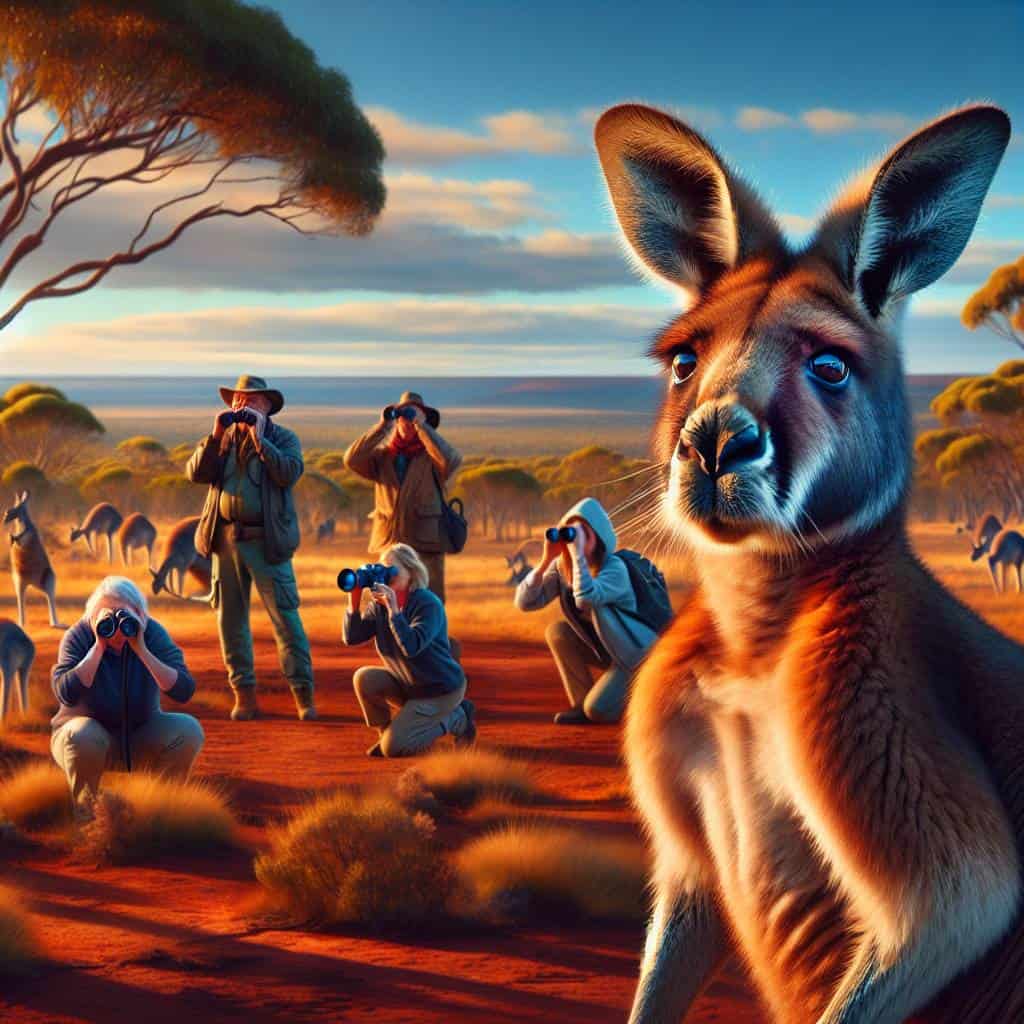
But let’s not stop at my awkward encounter. This article will dig beneath the glossy veneer of the wildlife tourism industry. It’s time to confront the uncomfortable truths about our interactions with the natural world. We’ll explore the ethical dilemmas, the conservation efforts that truly matter, and how awareness is the first step to change. Together, we’ll navigate this intricate landscape, peeling back layers of exploitation disguised as entertainment, and hopefully, inspire a more genuine connection with the wild.
Table of Contents
How My Attempt to Befriend a Seal Became a Masterclass in Ethical Awareness
It all started with a whimsical notion that I could somehow forge a bond with a seal basking on the rocky shores of a remote beach. I approached with the naive optimism of a city dweller, armed with nothing but a camera and a dream. There she was, a creature of sleek elegance, her eyes reflecting the ocean’s vast mystery. But as I crouched closer, hoping for a moment of Disney-esque connection, the seal shot me a look that was more “Who do you think you are?” than “Please, be my friend.” And rightly so. It hit me then that I wasn’t offering friendship; I was intruding. This wasn’t a scene from a wildlife documentary where the narrator whispers in reverent tones. It was me, a human, in her space, uninvited.
What followed was a crash course in ethical awareness, a journey into understanding that true respect for wildlife isn’t about snapping the perfect picture or spinning a tale of personal encounters. It’s about recognizing that these creatures don’t exist for our entertainment. My misguided attempt to befriend the seal was a glaring reminder that every interaction with nature has a ripple effect. Conservation isn’t just about protecting the environment; it’s about respecting the autonomy of its inhabitants. I left the beach humbled, with a newfound commitment to advocate for responsible wildlife encounters. Because, in the end, it’s not about the likes or the story I can tell, but about ensuring that wild animals continue to live their lives untethered by human interference.
The Illusion of Wild Freedom
When our desire to connect with nature turns into a pursuit of control, we strip the wild of its essence and call it conservation.
The Wild Truths We Choose
In the end, it’s not about the seals, the tigers, or any other magnificent creature we momentarily encounter. It’s about us, our intention, our respect, and our willingness to evolve. The city lights might dazzle, but they’re no match for the raw, untamed symphony of life that whispers its truths in the unlikeliest of places. I’ve learned that responsible wildlife encounters aren’t about ticking boxes on a bucket list; they’re about dismantling the illusion that we can ever truly capture the wild’s essence in a snapshot. This journey has been less about finding answers and more about embracing the questions—those uncomfortable, probing questions that demand we confront not just our actions, but our very definitions of what it means to coexist.
So, where do we go from here? Perhaps the next step is not about venturing further into the wild, but looking inward. The change starts within, in the way we perceive and engage with these delicate ecosystems that are both foreign and familiar. Let’s not just be tourists in the natural world, but participants—active, conscious, and deeply aware of our footprint. And maybe, just maybe, that’s where the real adventure begins. The kind without maps, where each choice we make is a compass pointing towards a more harmonious existence with the world that cradles us all.
