I remember the first time my watch beeped at me, an unsolicited nudge reminding me to stand up. There I was, hunched over my keyboard in a café, trying to siphon inspiration from the bottom of my coffee cup, when it vibrated against my wrist like a tiny, judgmental drill sergeant. Stand up! Move! Your heart rate is suspiciously sedentary, it seemed to scold. In that moment, I realized that we’ve reached a point where our gadgets are less sidekicks and more overlords, dictating our next move before we even make it. Remote health monitoring, my friends, is like letting your tech become your personal trainer—except this one is strapped to your wrist and doesn’t quite understand the concept of personal space.
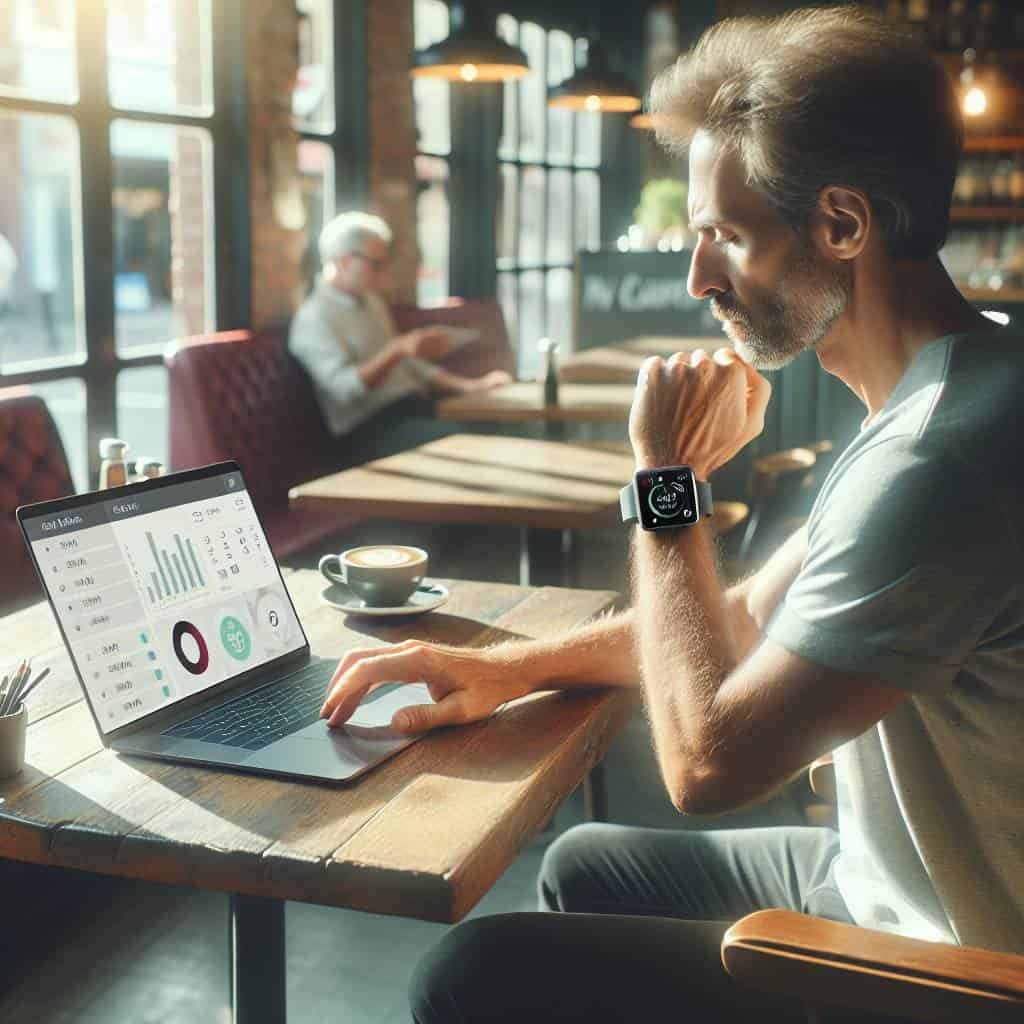
But fear not, dear reader, for in this digital jungle, we’re navigating together. I’m diving deep into this brave new world where our screens track our every heartbeat, step, and sneeze. We’ll explore the universe of telemedicine, where doctors are just a video call away, and uncover the truth beneath the shimmering promise of wearables and apps. Is it liberation, or just another leash? Stick with me, and we’ll sift through the noise to find the real nuggets of wisdom—or at least have a good laugh trying.
Table of Contents
An Introduction to remote health monitoring
In a world where your wristwatch can whisper secrets about your heart’s hidden rhythms, remote health monitoring isn’t just a sci-fi subplot—it’s the uninvited guest at our daily grind party. Imagine this: a bustling cityscape where skyscrapers loom like judgmental titans, and amidst this concrete labyrinth, you’re armed with gadgets that know more about your body’s quirks than your doctor does. Sounds like a Black Mirror episode, doesn’t it? But here we are, wrapped up in the enigma of telemedicine, wearables, and apps that promise to turn our health into a series of digestible data points. It’s the paradox of modern life—our gadgets are getting smarter, while we feel like marionettes in a show we didn’t sign up for.
Telemedicine, the digital doctor that’s always in your pocket, promises to be the knight in shining armor for the urban jungle dweller. No more waiting rooms with outdated magazines; now your consultations happen in the same space where you binge-watch the latest series. And then there are wearables—the wrist-bound oracles that track every step, every heartbeat, every calorie like an overzealous life coach. They claim to offer insights into our physical existence, but sometimes it feels like they’re just another screen demanding our attention, another digital deity to whom we sacrifice our peace of mind. Yet, for all their intrusive presence, these technologies are reshaping healthcare, turning the art of healing into a precision-engineered data stream. It’s both thrilling and terrifying, like skydiving without knowing if the parachute will open.
But let’s not forget the apps—those little digital sprites that live in our phones, promising to make sense of the chaos. They offer a buffet of health tips and tricks, but truth be told, they often leave us more confused than enlightened. We’re left scrolling through a sea of notifications, trying to decipher the cryptic language of our own bodies. It’s a dance between empowerment and dependency, with every ping and buzz reminding us that, yes, our health is in our hands, but also, maybe, it’s slipping through our fingers. Remote health monitoring is a brave new world, an electronic echo of our own existence, challenging us to redefine what it means to be truly connected to ourselves.
Key Considerations and Final Thoughts
In the cacophony of city life, where our smartphones are practically extensions of our bodies, remote health monitoring emerges like a double-edged sword—one side promising liberation, the other tethering us to yet another screen. Picture this: your smartwatch pings, not with a message from a friend, but with a reminder that your heart rate is slightly off. It’s like having a doctor in your pocket, whispering sweet nothings about your health metrics. But here’s the rub—when does this constant digital oversight become less about care and more about control? Telemedicine and health apps transform the traditional doctor-patient relationship into a virtual handshake, efficient yet devoid of that comforting, human touch. And wearables? They’re like those nosy neighbors who know everything about you, whether you want them to or not.
Yet, amid this tech-laden wilderness, there’s something undeniably transformative. Remote health monitoring isn’t just a novelty; it’s a lifeline for those juggling the chaos of urban existence. Imagine the possibilities—chronic conditions managed with a precision that rivals the finest Swiss watch, or health insights delivered faster than your morning latte. But let’s not kid ourselves—this isn’t a utopia. Privacy concerns loom like storm clouds, and the digital divide threatens to leave some stranded in the analog past. So, as we tiptoe forward, balancing on the tightrope of innovation and intrusion, we must ask ourselves: Are we embracing a healthier tomorrow, or are we just inviting one more device to run our lives? In this digital age, the key consideration is clear—let’s ensure that in our quest for health, we don’t lose the human heart of the matter.
The Unseen Pulse of Progress
In a city that never sleeps, where digital whispers track our every heartbeat, remote health monitoring is the invisible thread weaving technology into the fabric of our daily chaos.
The Pulse of Tomorrow
As I sit here, in the glow of my laptop screen that has become a surrogate moon, I can’t help but ponder the odd intimacy we share with our digital companions. My smartwatch, with its relentless nudges and whispers, knows the rhythm of my heart better than most of my friends. It’s a strange new camaraderie, this dance with technology, where telemedicine and wearables become the new oracles of our time. I find myself both in awe and slightly unnerved—caught between gratitude for the convenience and a small, nagging fear of becoming a mere node in the network.
But maybe that’s the city life we’ve signed up for—a relentless pursuit for efficiency wrapped in silicon and code. As I navigate the urban jungle, dodging the cacophony and clutching my digital lifelines, I realize that remote health monitoring isn’t just a new gadgetry trend. It’s a mirror reflecting our desire for control in a chaotic world. And while I’m not entirely sure what the future holds, I know I’ll be there, heart on my sleeve, or rather, my wrist, waiting for the next buzz of life’s digital pulse.
