I once let a smart gardening gadget con me into believing I had a green thumb. Picture this: me, staring at a patch of wilting basil, phone in hand, as my app cheerfully assured me that all was well in my urban jungle. The sensors blinked like tiny city stars, promising growth and prosperity. But the truth was as stark as the concrete jungle outside my window—technology couldn’t save me from my own botanical neglect. As I watched my digital garden of Eden crash and burn, I realized that relying on these gadgets was like expecting a GPS to find your soul.
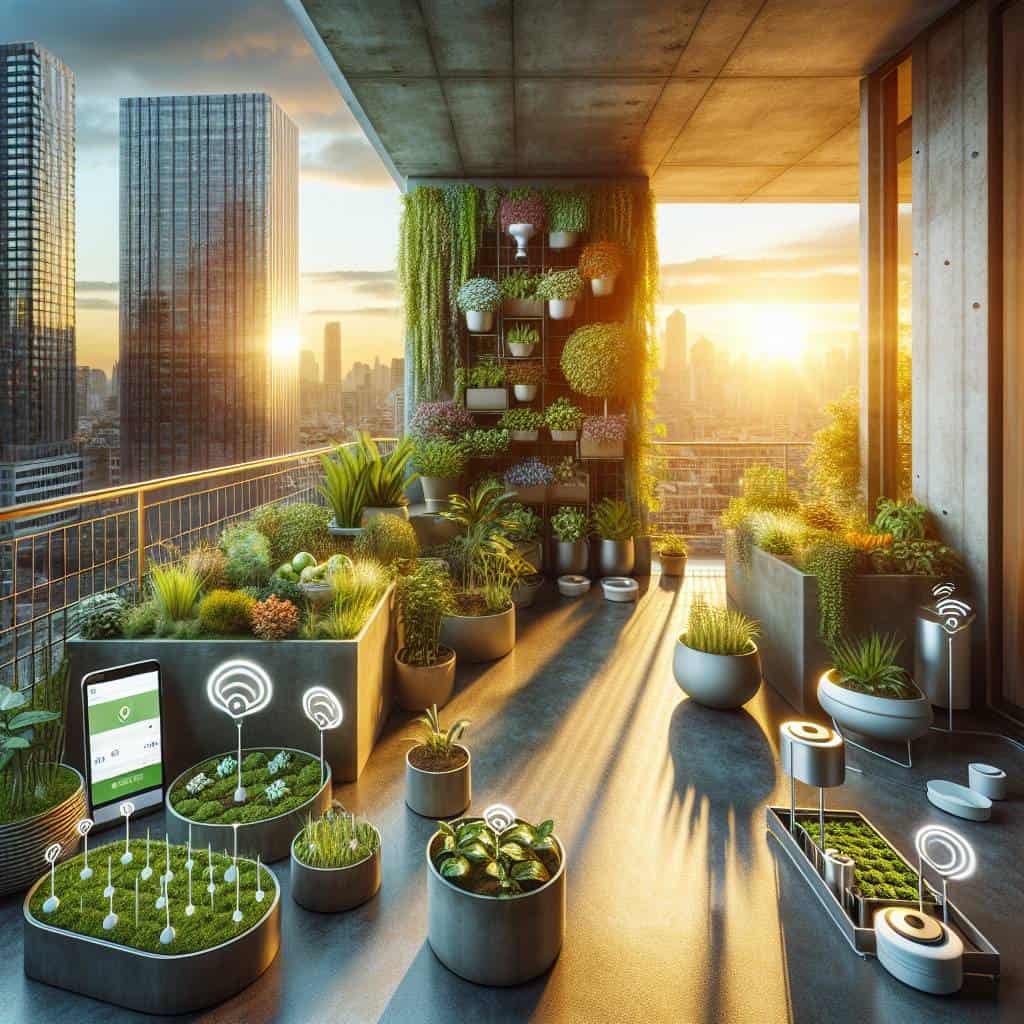
But here’s the twist: I’m still rooting for the little techie rebels. Because while they might not transform you into an overnight horticultural hero, they’re a lifeline for the busy, the forgetful, and the hopelessly plant-challenged. In this article, let’s dive into the chaotic ballet of automation and nature. We’ll explore how these nifty devices can cradle your leafy companions in their silicon embrace, offering a semblance of care when you’re too busy chasing city dreams. Expect tales of triumph, failure, and everything in between—because gardening, like life, is messy and unpredictable.
Table of Contents
My Love-Hate Relationship with Automated Plant Parents
Picture this: a symphony of beeps and whirs serenading my plants in the dead of night. Automated plant parents—those sleek, silicon-filled sentinels—promise the world, whispering sweet nothings of perfectly timed watering schedules and optimal sunlight calculations. They’re like the overzealous, tech-savvy babysitters of the plant world, promising to raise a jungle in my urban nook while I sip my coffee and watch the city hustle from my balcony. But, oh, the tangled vines of reality! These gadgets are as delightful as they are infuriating. One moment, they’re the saviors of my over-scheduled life; the next, they’re the unpredictable weather gods deciding when my fiddle leaf fig gets a shower.
I love them for their precision, their predictability in a world that thrives on chaos. Yet, here’s where the love affair turns sour: there’s a sterile coldness to it all. A garden should be an affair of the heart, not just a sterile exchange of data points and algorithms. The dance with nature is messy, unpredictable, and delightfully imperfect. But these gadgets, with their blinking lights and relentless notifications, sometimes strip away the romance. They make the care of my verdant companions feel like managing a spreadsheet rather than nurturing life. And yet, I can’t let go. They are my necessary evil, my love letter to efficiency. Perhaps that’s the real magic—not in the gadgets themselves, but in my conflicted relationship with them.
The Botanical Revolution
In the age of smart gadgets, it’s not about replacing the gardener’s touch but redefining it. Automation and plants—an unlikely symphony where technology whispers to the roots and leaves, letting them grow wild and free.
When Wires Whisper to Leaves
So here I stand, amidst the concrete jungle’s relentless march, clutching my phone as a modern-day wand. I’ve realized that my leafy companions, with their silent demands and subtle whispers, have taught me more about patience and presence than any blinking gadget ever could. Yet, there’s a strange comfort in knowing that somewhere, in the glow of my screen, a digital gardener stands guard, a sentry in silicon armor. It’s not perfection I seek, but a partnership—where technology lends a hand, yet never overshadows the raw intimacy of tending to life.
In this dance of chlorophyll and code, I find myself drawn to the edges where nature and innovation meet. The hum of the city fades into the backdrop as I meditate on the quiet power of growth, the resilience of green against gray. Perhaps, like the plants I nurture, I too am learning to adapt—finding my roots in a world that spins ever faster. So here’s to the gadgets that watch over my garden, guardians of my green sanctuary. And here’s to the moments when I unplug and let the soil speak, when I remember that sometimes, the most profound connections are the ones that need no electricity at all.
