I’ve got a confession: I once let a fitness tracker ruin my week. There it was, snug on my wrist, a miniature tyrant demanding attention. Its incessant buzz nudged me awake at dawn, reminding me that my steps were lacking, my heart rate was too average, and my sleep was, well, not quite cutting it. Despite my best efforts to ignore its digital nagging, I found myself pacing my apartment at midnight, attempting to appease its impossible standards. The irony? I was a willing participant in this charade, seduced by the promise of quantified self-improvement. But instead of enlightenment, I found myself in a bizarre dance with this gadget, one that left me questioning whether it was tracking my fitness or my sanity.
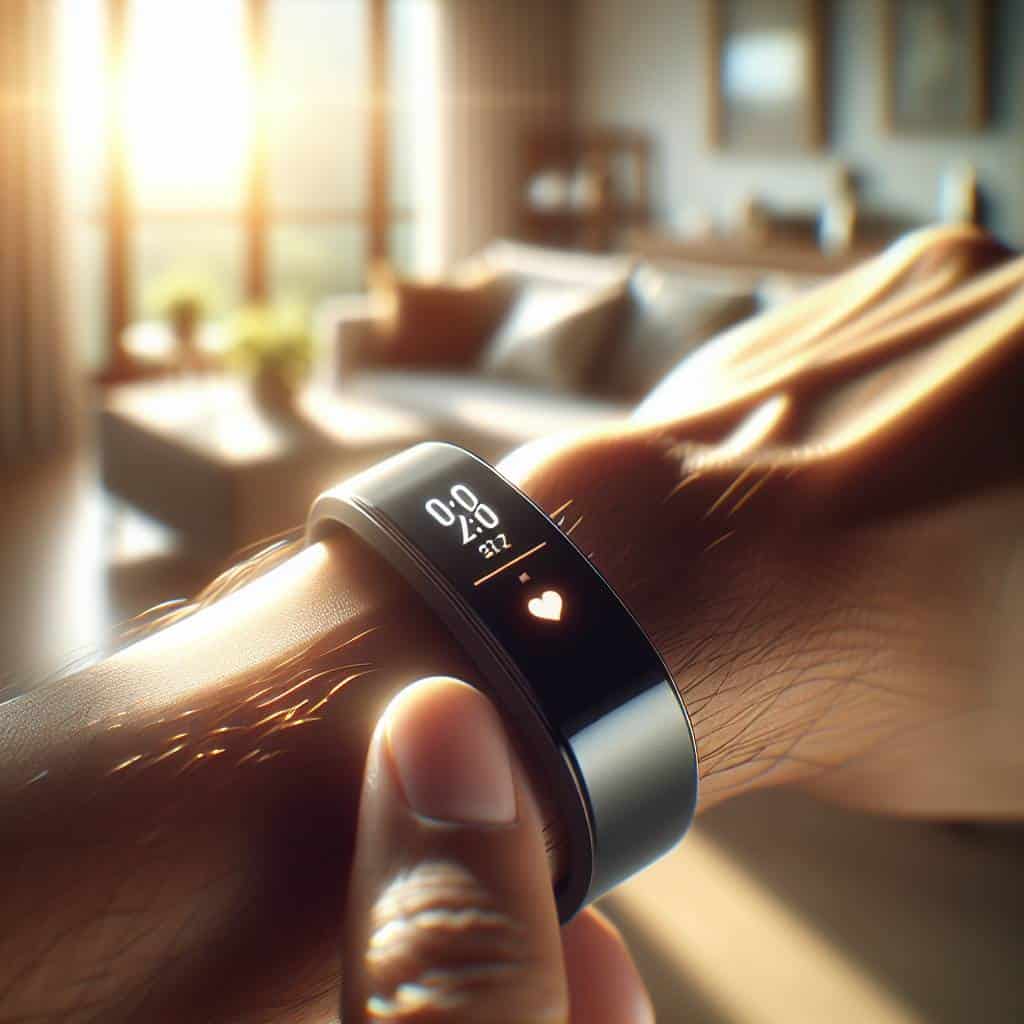
In this article, we’ll dive headfirst into the world of fitness tracking devices—those flashy gadgets that promise to transform us into peak specimens of health. We’ll explore the obsession with counting steps, the allure of running metrics, and even touch on the dark side of digital health monitoring. Expect candid anecdotes and perhaps a touch of skepticism as we unravel whether these devices are truly allies or just another way to guilt-trip us into a semblance of health. Get ready, because this isn’t just a stroll through tech—it’s a sprint through the tangled web of modern fitness.
Table of Contents
How a Silicon Band Became My Reluctant Running Coach
The quest for fitness, dear reader, is not for the faint-hearted. It was a rainy Tuesday when I first wrapped that silicon band around my wrist—a sleek, digital taskmaster promising to whip me into shape. Little did I know, I was strapping on more than a fitness tracker; I was enlisting a reluctant running coach with all the charm of a drill sergeant who moonlights as a motivational speaker. Each morning, it buzzed to life, reminding me that while the world slept, I had miles to conquer. It measured my steps, monitored my heartbeats, and charted paths I never knew existed. A digital shackle, yes, but one that nudged me out the door on days when the couch seemed like paradise.
Now, let’s not pretend my new silicon companion was always a willing partner in this dance. It scoffed at my modest ambitions, cheerfully suggesting I increase my daily goal by an unreasonable margin. But, in its own silent way, it kept me honest. Each step counted, each run became a story etched in pixels. My reluctant coach, with its unblinking eye, tracked every glorious minute I shaved off my time. It was a relationship built on tough love, and eventually, I stopped fighting it. I began to crave that little burst of fireworks on the screen when I crushed a goal. It was a strange partnership forged on sweat and persistence, where my silicon coach led and I—grudgingly—followed, step after step into the urban wilderness.
The Wrist-Bound Oracle
Fitness trackers are the modern-day soothsayers, whispering truths about our health that we’d rather ignore, until we realize they’re just reflecting the battles we fight within.
The Final Lap: Embracing the Unseen Coach
In the end, it’s not just the miles logged or the calories counted that define my relationship with this stubborn little wrist companion. It’s the silent companionship on those solitary runs through the city’s heart, the unspoken encouragement when the world feels heavy. We’ve had our disagreements, the tracker and I, but it’s taught me that health isn’t a destination—it’s an evolving dialogue between mind, body, and, yes, even the silicone band wrapped around my wrist.
And as I weave through the bustling streets, I realize the tracker isn’t just a device—it’s a reminder that life’s greatest races aren’t always about speed or distance. They’re about showing up, sweaty and imperfect, ready to face another day of pounding pavement. So here’s to my tiny dictator—a reluctant running coach who turned my daily grind into a dance of data and dreams. Together, we’ll keep chasing that elusive horizon, one step at a time.
